
For anyone who has watched a parent, spouse, or other loved one live with dementia, one question can be difficult to ignore: Could this happen to me, too?
There is no guaranteed way to prevent dementia. Age, genetics, family history, and certain medical conditions can influence a person’s risk, and some of these factors cannot be changed. But researchers have also learned something encouraging. Some of the factors associated with dementia risk can potentially be modified. These include cardiovascular health, physical activity, smoking, hearing and vision loss, social connection, and several other aspects of health and daily life.
That does not mean dementia is someone’s fault or that making healthy choices guarantees a person will never develop it. Instead, current research suggests that protecting brain health throughout life may help reduce your risk of dementia or delay when symptoms begin.
Quick Answer: Can You Reduce Your Risk of Dementia?
Possibly. There is currently no proven way to guarantee that dementia can be prevented. However, research suggests that addressing certain modifiable risk factors throughout life may reduce a person’s overall risk or delay the onset of dementia.
The 2024 Lancet Commission on dementia identified 14 potentially modifiable risk factors and estimated that addressing them could potentially prevent or delay nearly half of dementia cases worldwide. The World Health Organization also recommends several strategies for reducing the risk of cognitive decline and dementia, including staying physically active, avoiding tobacco, limiting harmful alcohol use, eating a healthy diet, remaining socially and cognitively active, and managing conditions such as high blood pressure, high cholesterol, and diabetes.
The important distinction is this:
Reducing dementia risk is not the same as preventing dementia. A person can do everything considered beneficial for brain health and still develop Alzheimer’s disease or another form of dementia. Likewise, someone with several risk factors may never develop dementia. Researchers are studying risk, not certainty.
Why Researchers Believe Some Dementia Risk May Be Modifiable
Dementia is not one single disease. It is an umbrella term used to describe changes in memory, thinking, communication, and everyday functioning caused by diseases and conditions that affect the brain. Alzheimer’s disease is the most common cause of dementia, but other causes include vascular dementia, Lewy body dementia, frontotemporal dementia, and other neurological conditions.
Researchers increasingly understand that brain health is closely connected to what happens throughout the rest of the body, and throughout a person’s life.
The health of the heart and blood vessels, for example, affects the brain’s supply of blood and oxygen. Hearing and vision influence how people interact with others and their surroundings. Physical activity supports cardiovascular and metabolic health, while social interaction and mentally stimulating activities regularly engage the brain.
These connections have led researchers to look beyond risk factors that cannot be changed, such as age and genetics, and examine factors that may be possible to treat, manage, reduce, or address.
What Does “Modifiable Risk Factor” Mean?
A modifiable risk factor is something associated with the likelihood of developing a disease that may be possible to change, treat, manage, or reduce. For example, you cannot change your age or the genes you inherited. But high blood pressure can often be treated. Someone who smokes can seek help to quit. Hearing loss may be addressed with hearing aids or other treatment, and physical activity can often be increased based on a person’s health and abilities.
However, “modifiable” does not necessarily mean easy to change, or entirely within someone’s control.
A person’s ability to address certain risk factors may be influenced by access to healthcare, income, education, where they live, environmental exposures, disability, transportation, and other circumstances. Some factors, such as air pollution and access to education earlier in life, may be particularly difficult for an individual to change.
Most importantly, modifying a risk factor does not mean dementia will be prevented. It means there may be an opportunity to reduce some of the risk associated with that factor while also supporting overall health.
This distinction matters because dementia risk is complex. The goal is not to assign responsibility for who develops dementia, but to better understand which factors may offer opportunities to support healthier brain aging.
14 Factors That May Affect Dementia Risk
Researchers have identified a growing number of factors that appear to influence a person’s likelihood of developing dementia. Some affect brain health directly, while others influence cardiovascular health, sensory function, social connection, or the brain’s ability to adapt to changes over time.
The 2024 Lancet Commission identified 14 potentially modifiable risk factors across the course of a person’s life. Two of these, high LDL cholesterol and untreated vision loss, were added to the previous list of 12 as new evidence emerged.
Importantly, having one or more of these risk factors does not mean someone will develop dementia. Likewise, addressing every risk factor cannot guarantee that dementia will be prevented. Instead, these factors help researchers understand where there may be opportunities to support brain health and potentially reduce dementia risk over a lifetime.
1. Less Education Earlier in Life
Education is one of the earliest-life factors researchers have associated with dementia risk. Studies suggest that greater access to education during childhood and early adulthood may help the brain develop what researchers call cognitive reserve. Cognitive reserve describes the brain’s ability to adapt and continue functioning despite age-related changes or disease.
This does not mean that someone who did not attend college is destined to develop dementia. Education is influenced by many circumstances, including economic opportunity, geography, family responsibilities, culture, and access to schools. It also does not mean that earning another degree later in life has been proven to prevent dementia.
Continuing to learn and stay mentally engaged throughout adulthood can still be valuable for overall cognitive health, even though it is not the same as changing educational opportunities earlier in life. Reading, learning new skills, taking classes, playing music, participating in hobbies, and engaging in other mentally stimulating activities are all ways to keep the brain active.
2. Hearing Loss
Hearing loss has become an important area of dementia research, particularly when it occurs during midlife. When someone cannot hear well, conversations become more difficult and social interaction may decrease. The brain may also have to devote additional effort to interpreting incomplete or unclear sounds.
Researchers are still studying exactly why hearing loss and dementia are connected. Possible explanations include reduced brain stimulation, increased cognitive effort, changes within the brain, and greater social isolation.
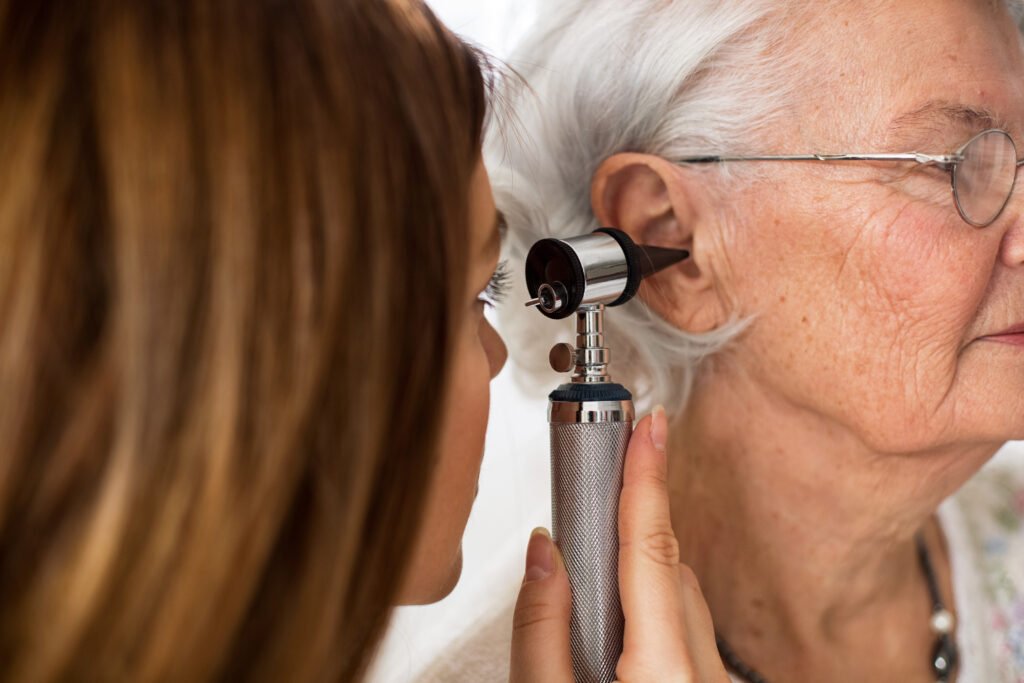
Treating hearing loss cannot guarantee dementia prevention. However, having your hearing evaluated and using hearing aids or other treatment when recommended may help support communication, social connection, independence, and overall quality of life. Research is also continuing to examine whether treating hearing loss may help reduce cognitive decline in some older adults.
3. High LDL Cholesterol
High LDL cholesterol during midlife is one of the two newer factors added to the Lancet Commission’s dementia risk model in 2024. LDL is sometimes called “bad” cholesterol because high levels can contribute to plaque buildup inside the arteries. Over time, this can affect cardiovascular health and blood flow.
Because the brain depends on healthy blood vessels and a steady supply of oxygen-rich blood, high LDL cholesterol during midlife may contribute to changes that affect brain health later in life.
If you have high cholesterol, talk with your healthcare provider about whether changes in nutrition, physical activity, medication, or other treatments may be appropriate.
4. Depression
Researchers have found an association between depression and dementia, although the relationship is complicated.
Depression may contribute to dementia risk in some people. In other situations, depression may develop during the early stages of neurological disease before dementia has been recognized. It can also affect sleep, physical activity, nutrition, social interaction, and a person’s ability to manage other health conditions.
Persistent depression should not simply be dismissed as a normal part of aging. If symptoms such as ongoing sadness, loss of interest, hopelessness, withdrawal, or significant changes in sleep or appetite continue, talking with a healthcare professional is important.
5. Traumatic Brain Injury
Traumatic brain injuries have been associated with an increased risk of dementia, particularly when injuries are severe or occur repeatedly. Not every bump on the head leads to dementia. However, reducing the risk of preventable head injuries is important throughout life.
Practical precautions may include wearing appropriate helmets during activities where head injuries are possible, using seat belts, following workplace safety practices, and reducing fall hazards.
Fall prevention becomes especially important later in life because falls are a major cause of traumatic brain injury among older adults. CDC reports that falls are the leading cause of injury among adults 65+ and provides evidence-based prevention resources.
6. Physical Inactivity
Regular physical activity benefits much more than muscles and joints. Exercise supports cardiovascular health, circulation, blood pressure control, metabolism, sleep, balance, and overall physical function. Many of these systems are also connected to brain health.
You do not necessarily need strenuous workouts to become more active. Depending on your health and mobility, activities might include:
- Walking
- Swimming
- Cycling
- Gardening
- Dancing
- Strength training
- Chair exercises
- Balance exercises
The appropriate type and amount of activity will vary from person to person.

Anyone with significant health conditions, mobility limitations, or concerns about exercising safely should discuss appropriate activities with a healthcare professional.
7. Diabetes
Diabetes, particularly when it is not well controlled over time, has been associated with a higher risk of dementia. Persistently elevated blood sugar can damage blood vessels and contribute to cardiovascular disease. Diabetes can also increase the risk of stroke, which itself can contribute to cognitive impairment and vascular dementia.
Managing diabetes through regular medical care, medication when prescribed, nutrition, physical activity, and appropriate blood sugar monitoring can help protect overall health while also addressing cardiovascular and metabolic factors associated with dementia risk.
8. Smoking
Smoking damages blood vessels and increases the risk of stroke, heart disease, lung disease, and many other serious health conditions. Those effects can also have consequences for the brain.
Research has consistently identified smoking as a potentially modifiable dementia risk factor. For people who currently smoke, quitting can provide health benefits even after many years of smoking. Healthcare professionals can recommend smoking cessation programs, counseling, medications, and other forms of support when appropriate.
9. High Blood Pressure
High blood pressure, particularly during midlife, has consistently been associated with an increased risk of cognitive decline and dementia. The National Institute on Aging (NIA) specifically describes high blood pressure as an established dementia risk factor and discusses findings from SPRINT MIND.
Over time, hypertension can damage blood vessels throughout the body, including the small vessels that supply the brain. This connection is especially important because cardiovascular health and brain health are closely related. Managing high blood pressure may therefore help protect both the heart and the brain.

Talk with your healthcare provider about what blood pressure range is appropriate for you and whether lifestyle changes, medication, or other treatment may be necessary.
10. Obesity
Obesity during midlife has also been associated with an increased risk of dementia later in life. The relationship is complex.
Body weight is connected with many other health factors, including diabetes, high blood pressure, cholesterol levels, cardiovascular disease, inflammation, sleep disorders, physical activity, medications, genetics, and social and environmental circumstances. For this reason, focusing only on a number on the scale can miss the larger picture.
A more useful approach may be to focus on improving overall cardiovascular and metabolic health with guidance from a healthcare professional.
11. Excessive Alcohol Use
Long-term excessive alcohol consumption can affect the brain directly and can also contribute to high blood pressure, liver disease, nutritional deficiencies, falls, injuries, and other health problems. For these reasons, excessive alcohol consumption has been identified as another potentially modifiable dementia risk factor. This does not mean someone who does not drink alcohol should start drinking in an effort to protect brain health.
If you drink alcohol, talk with your healthcare provider about what may be appropriate based on your age, medications, medical conditions, and personal health history.
12. Social Isolation
Social connection appears to play an important role in healthy aging. Regular interaction with other people engages many parts of the brain involved in language, memory, attention, emotion, and communication.

Social isolation may also contribute to depression, reduced physical activity, and poorer overall health.
Staying socially connected does not require having a large social circle. Meaningful connection might include:
- Spending time with family or friends
- Joining a community or senior center
- Volunteering
- Participating in a faith community
- Taking a class
- Joining a club or hobby group
- Talking regularly with friends by phone or video
- Participating in intergenerational activities
The goal is not to be constantly social. Maintaining meaningful relationships and opportunities to connect with other people may be what matters most.
13. Air Pollution
Air pollution may seem like an unusual dementia risk factor, but researchers have increasingly investigated its relationship with brain health. Long-term exposure to certain types of air pollution has been associated with cardiovascular disease, inflammation, and an increased risk of cognitive decline and dementia.
Unlike smoking or physical activity, exposure to air pollution is not something an individual can always control. Where someone lives and works, environmental policies, socioeconomic conditions, and access to cleaner environments can all influence exposure.
This is an important reminder that dementia risk reduction is not entirely about individual choices. Communities, healthcare systems, environmental conditions, and public policy can also influence health.
14. Untreated Vision Loss
Untreated vision loss was the second new potentially modifiable risk factor added by the Lancet Commission in 2024. The National Eye Institute (NEI) notes that regular comprehensive dilated eye exams can help identify age-related eye diseases early.
Vision problems can affect far more than a person’s ability to see clearly. Poor vision can make it more difficult to read, drive, exercise, recognize people, navigate safely, participate in activities, and remain socially connected. Over time, these limitations may contribute to reduced independence, less cognitive stimulation, and greater social isolation.
Regular eye examinations become increasingly important with age because some causes of vision impairment can be treated or managed. Conditions such as cataracts, glaucoma, diabetic eye disease, and age-related macular degeneration may require ongoing monitoring or treatment.
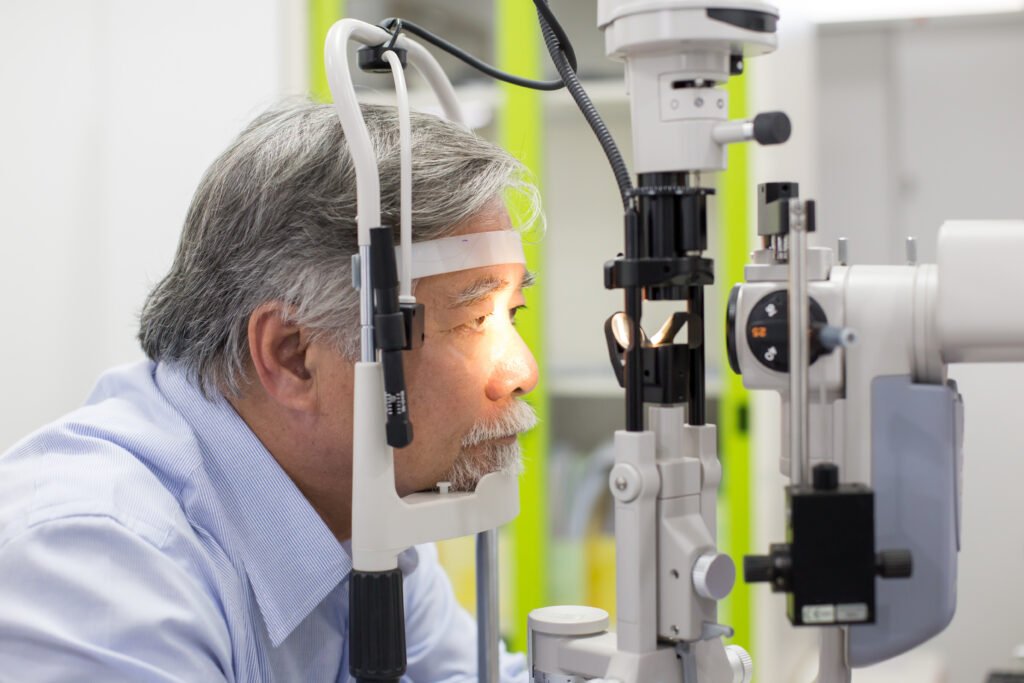
Addressing vision loss cannot guarantee that dementia will be prevented. However, identifying and treating vision problems when possible can help preserve independence, safety, social engagement, and overall quality of life.
What These 14 Factors Really Tell Us
Looking at the list as a whole reveals something important: brain health is closely connected to the health of the entire body and to the environment in which we live.
Some dementia risk factors involve cardiovascular health, including high blood pressure, high LDL cholesterol, diabetes, smoking, obesity, and physical inactivity. Others involve how we interact with the world, including hearing, vision, education, and social connection. And some, such as air pollution and access to education, remind us that dementia risk cannot always be reduced through individual choices alone.
The goal is not to eliminate every possible risk factor or to believe that dementia can always be prevented. Instead, this research gives individuals, families, healthcare professionals, and communities areas where action may help reduce dementia risk while also supporting overall health and quality of life.
Why Heart Health and Brain Health Are So Closely Connected
One of the clearest themes emerging from dementia research is the close relationship between cardiovascular health and brain health.
Although the brain makes up only a small portion of the body’s weight, it requires a continuous supply of oxygen and nutrients carried through the bloodstream. When blood vessels become damaged or blood flow is reduced, the brain may also be affected over time.
This helps explain why several of the potentially modifiable dementia risk factors are also major cardiovascular or metabolic risk factors, including:
- High blood pressure
- Diabetes
- Smoking
- High LDL cholesterol
- Physical inactivity
- Obesity
High blood pressure and other vascular conditions can damage the small blood vessels that supply the brain, while diabetes, smoking, and high LDL cholesterol can contribute to blood vessel damage and cardiovascular disease. These conditions can also increase the risk of stroke, which can lead to vascular cognitive impairment and vascular dementia.
This is one reason protecting cardiovascular health during midlife may be especially important. Changes affecting the brain can develop gradually over many years, long before noticeable memory problems appear.
The encouraging part is that many of the steps commonly recommended for heart health—managing blood pressure, staying physically active, not smoking, controlling diabetes and cholesterol, and receiving regular medical care—may also help support brain health as we age. Taking care of your heart may be one of the most practical ways to take care of your brain, too.
Does Reducing These Risk Factors Guarantee You Will Not Develop Dementia?
No. This is one of the most important points to understand about dementia risk. Researchers talk about reducing risk, not guaranteeing prevention. Addressing potentially modifiable risk factors may lower the likelihood of developing dementia or delay its onset, but it cannot eliminate the possibility entirely.
Dementia can develop in people who exercise regularly, eat well, maintain healthy blood pressure, stay socially connected, and have few known risk factors. Age, genetics, underlying disease processes, and other factors that researchers do not yet fully understand can still play important roles.
Likewise, someone may have several known risk factors and never develop dementia. This is also why dementia should never be viewed as something a person caused by failing to exercise enough, eat the right foods, stay socially active, or make other lifestyle changes. Many factors that contribute to dementia are outside an individual’s control.
Risk factors influence probability. They do not determine an individual’s future.
The goal of risk reduction is not to promise that dementia can be prevented. It is to identify opportunities to support brain health while also improving cardiovascular health, physical function, independence, and overall well-being as we age.
Is It Ever Too Late to Start Protecting Brain Health?
Healthy changes can support brain health and overall well-being at almost any age.
Researchers increasingly look at dementia risk across the entire lifespan because different factors may be more important at different stages of life. Education and cognitive development begin early, cardiovascular risk factors become especially important during midlife, and hearing, vision, physical activity, and social connection can remain important as we grow older.
You cannot change what happened decades ago, but you can focus on the health factors that can be addressed today.
That might mean having your blood pressure or cholesterol checked, managing diabetes, becoming more physically active, eating a healthy, balanced diet, quitting smoking, addressing hearing or vision problems, staying socially connected, or simply talking with your healthcare provider about your individual risk factors.
And these changes can be worthwhile even if they do not ultimately prevent dementia. Many of the same steps that support brain health can also improve cardiovascular health, mobility, independence, and overall quality of life. The National Institute on Aging offers additional guidance on healthy lifestyle choices that may help reduce dementia risk, including staying physically active, eating a healthy diet, managing chronic health conditions, getting enough sleep, and staying socially engaged.

The goal is not to make up for the past. It is to support the healthiest brain and body possible from where you are today.
A Practical Brain Health Checklist
Supporting brain health does not require changing everything at once. A good place to start is by understanding your current health and identifying any concerns that may be worth discussing with your healthcare provider.
Consider asking yourself, and your healthcare provider, questions such as:
- Is my blood pressure within a healthy range?
- Have I had my cholesterol checked recently?
- Am I being appropriately screened for diabetes?
- Am I getting enough physical activity for my health and abilities?
- Is it time to have my hearing checked?
- When was my last comprehensive eye examination?
- If I smoke or use tobacco, what support is available to help me quit?
- Am I drinking more alcohol than is recommended for my health?
- Am I staying socially connected to family, friends, or my community?
- Have I been experiencing persistent symptoms of depression?
- Am I taking appropriate steps to prevent falls and head injuries?
- Am I having persistent sleep problems?
- Are there other cardiovascular or neurological risk factors I should address?
You do not need to tackle every concern at the same time. Start with the factors that are most relevant to your health and circumstances, and work with your healthcare provider to decide what changes or treatments may be appropriate.
For many people, supporting brain health begins with many of the same steps that protect the heart, preserve mobility, support independence, and improve overall health as we age.
Download the Free Brain Health Checklist
Want to take these questions with you? Download our free Practical Brain Health Checklist to review important health factors and prepare questions for your next healthcare appointment.
When Memory Changes Should Be Evaluated
Reducing dementia risk is different from recognizing or diagnosing dementia.If you or someone you love is already experiencing noticeable changes in memory, judgment, communication, personality, or the ability to manage everyday activities, lifestyle changes alone are not a substitute for medical evaluation.
Memory and thinking problems do not always mean dementia. Some medical conditions and other factors can cause symptoms that resemble cognitive decline, including:
- Medication side effects or interactions
- Depression
- Sleep disorders
- Thyroid problems
- Vitamin deficiencies
- Infections
- Hearing or vision problems
- Other neurological or medical conditions
A healthcare professional can review symptoms, medications, medical history, and overall health and determine whether cognitive testing, laboratory tests, imaging, or referral to a specialist may be appropriate.
It is especially important to seek medical attention when changes begin interfering with everyday life—for example, when someone has increasing difficulty managing medications or finances, following familiar tasks, finding their way in familiar places, communicating, or making decisions.
Sudden confusion or a rapid change in thinking or behavior should be evaluated promptly. Unlike the gradual changes commonly associated with dementia, sudden confusion can sometimes be caused by an acute medical problem that needs immediate attention.
Recognizing changes early does not necessarily mean dementia will be diagnosed. It provides an opportunity to identify potentially treatable causes, better understand what is happening, and determine what support or follow-up care may be needed.
Key Takeaways
Dementia cannot always be prevented, and developing dementia should never be viewed as evidence that someone failed to take care of their health. The most important points to remember are:
- Dementia risk is influenced by many factors. Age, genetics, underlying disease processes, health conditions, environment, and other factors can all play a role.
- Some risk factors may be possible to change or manage. Researchers have identified 14 potentially modifiable factors, including high blood pressure, high LDL cholesterol, diabetes, smoking, physical inactivity, hearing loss, untreated vision loss, depression, and social isolation.
- Heart health and brain health are closely connected. Managing blood pressure, cholesterol, diabetes, and other cardiovascular risk factors may help support brain health as we age.
- Hearing, vision, physical activity, and social connection matter, too. Supporting brain health involves more than diet and exercise.
- Reducing risk does not guarantee prevention. Someone can make healthy choices throughout life and still develop Alzheimer’s disease or another form of dementia.
- Positive changes can have benefits beyond dementia risk. Many of the same steps that support brain health can also improve cardiovascular health, mobility, independence, and overall quality of life.
Perhaps the most useful way to think about dementia risk reduction is not as a promise that dementia will never happen, but as an opportunity to give the brain and body the best possible support throughout life.
Final Thoughts
For families who have experienced dementia firsthand, learning about risk factors can bring both hope and difficult questions.
It is natural to wonder whether something could have been done differently. But dementia is complex, and no single behavior, health condition, or lifestyle choice determines whether someone will develop it.
Age, genetics, underlying disease processes, health conditions, environmental exposures, and many other factors can influence dementia risk—some of which are entirely outside a person’s control.
What this research can give us is something practical to focus on moving forward.
Managing blood pressure and cholesterol, staying physically active, addressing hearing and vision problems, avoiding smoking, staying socially connected, and receiving regular medical care may all help support brain health over time.
None of these steps can promise a future without dementia. But they can support cardiovascular health, mobility, independence, and overall quality of life—valuable goals at any age.
Reducing dementia risk is not about trying to control the future. It is about supporting the healthiest brain and body possible with the choices and resources available today.
Continue Learning About Dementia
Understanding dementia can help families recognize changes earlier, prepare for what may come next, and make more informed decisions as care needs evolve.
Continue exploring dementia and caregiving resources from Long-Term Care Finder:
- Alzheimer’s Disease Explained – Learn how Alzheimer’s disease progresses, common symptoms to watch for, and what families may experience at different stages.
- Dementia and Alzheimer’s Care: A Guide for Families – Learn about dementia symptoms, diagnosis, care options, planning ahead, and what families can expect as needs change.
- How Dementia Changes the Brain – Understand why dementia can eventually affect memory, communication, movement, eating, and other everyday abilities.
- Why People with Dementia Stop Walking – Learn about the neurological changes that can affect balance, coordination, and mobility as dementia progresses.
- Why People with Dementia Stop Eating – Understand why recognizing food, chewing, swallowing, and maintaining interest in eating can become increasingly difficult.
- What Is the Medicare GUIDE Model? – Learn how this Medicare program may help coordinate dementia care and provide support for eligible individuals and their family caregivers.
Frequently Asked Questions
Dementia risk is complex, and it’s natural to have questions about what can—and cannot—be done to protect brain health. These frequently asked questions address some of the most common concerns about dementia prevention, modifiable risk factors, and healthy brain aging.
Can dementia be prevented?
There is currently no guaranteed way to prevent dementia. However, research suggests that addressing certain modifiable risk factors may reduce the likelihood of developing dementia or delay its onset.
What is the biggest risk factor for dementia?
Age is the strongest known risk factor for dementia. The likelihood of developing dementia increases substantially with age, particularly after age 65. However, dementia is not considered a normal or inevitable part of aging.
How much dementia may be preventable?
The 2024 Lancet Commission estimated that addressing 14 potentially modifiable risk factors could prevent or delay nearly half of dementia cases worldwide. This is a population-level estimate and does not mean an individual can reduce their personal risk by a specific percentage.
Does exercise prevent dementia?
Exercise cannot guarantee that someone will not develop dementia. However, physical activity is associated with better cardiovascular and overall health, and physical inactivity is considered a potentially modifiable dementia risk factor.
Can high blood pressure increase dementia risk?
Yes. High blood pressure, particularly during midlife, has been associated with increased dementia risk. Managing blood pressure is important for cardiovascular health and may also help protect brain health.
Does hearing loss increase dementia risk?
Research has found an association between hearing loss and dementia. Treating hearing problems may support communication, social engagement, and quality of life, and hearing care is increasingly included in dementia risk-reduction recommendations.
Can high cholesterol contribute to dementia?
Research has linked high LDL cholesterol during midlife with increased dementia risk. Managing cholesterol may therefore be important for both cardiovascular and brain health.
Does staying socially active help prevent dementia?
Social engagement is associated with better cognitive health, while social isolation has been identified as a potentially modifiable dementia risk factor. Staying connected cannot guarantee dementia prevention, but it may support cognitive and emotional well-being.
Is Alzheimer’s disease hereditary?
Genetics can influence Alzheimer’s disease risk, but having a family history does not necessarily mean someone will develop the disease. Most cases appear to involve a complex combination of age, genetics, health, lifestyle, and environmental factors.
When should I talk to a doctor about memory problems?
Talk with a healthcare professional when memory or thinking changes begin interfering with everyday activities, such as managing medications or finances, following familiar tasks, communicating, navigating familiar places, or making decisions. Sudden confusion or rapid changes should receive prompt medical attention.
Important Information
This article is for educational purposes only and is not a substitute for medical advice, diagnosis, or treatment. Talk with a qualified healthcare professional about your individual health, dementia risk factors, and steps that may be appropriate for supporting your brain and overall health.