
As care needs change with age, families often begin exploring whether a different living arrangement could provide the right balance of independence, support, and safety. Understanding the senior housing options in Michigan can help you determine which type of setting may best fit your loved one’s needs, preferences, and budget.
The choices can look similar at first. Independent living, assisted living, Homes for the Aged, Adult Foster Care, residential care homes, memory care, and nursing homes all provide different levels of support. In Michigan, the terminology can be especially important because commonly used terms such as assisted living and memory care do not represent specific state licensing categories.
This guide explains the major senior housing options available in Michigan, how they differ, what families should know about Michigan licensing, and the questions worth asking as you compare communities for someone you love.
Quick Answer: What Senior Housing Options Are Available in Michigan?
The five main senior housing options Michigan families may consider are:
- Independent living for older adults who can generally live independently but want community, convenience, and fewer household responsibilities.
- Assisted living or Homes for the Aged for older adults who need help with personal care and daily activities.
- Adult Foster Care or residential care homes for seniors who need personal care and supervision, often in a smaller residential environment.
- Memory care for people living with Alzheimer’s disease or another form of dementia who need specialized support and additional safety measures.
- Nursing homes for people who require a high level of assistance and ongoing nursing care.
The right choice depends on your loved one’s health, ability to manage everyday activities, memory and safety concerns, personal preferences, budget, and how much care they need.
Understanding Senior Housing Options and Licensing in Michigan
Before comparing senior housing options in Michigan, it helps to understand how the state licenses different types of residential care.
One important distinction is that Michigan does not have a specific license called “assisted living.” A community that describes itself as assisted living may operate under a Home for the Aged (HFA) or Adult Foster Care (AFC) license, depending on the setting, number of residents, and services provided.
Other familiar terms can also cause confusion. Independent living is not a specific Michigan licensing category, and memory care describes specialized care for people living with dementia rather than a separate type of state license.
These terms are still useful because they help families understand the type of setting and support a community offers. However, the name used in advertising does not necessarily tell you how the community is regulated.
When considering a provider, ask:
“How is this community licensed in Michigan?”
You can also verify a provider’s license through the Michigan Department of Licensing and Regulatory Affairs (LARA). Understanding the license, along with the services the provider offers, can help you make a more informed comparison between communities.
1. Independent Living
Independent living is designed for older adults who can generally manage their daily activities on their own but want the convenience, amenities, and social opportunities of a senior living community. Depending on the community, amenities and services may include:
- Private apartments or cottages
- Maintenance-free living
- Meals or dining options
- Social activities and events
- Transportation
- Fitness and wellness programs
- Housekeeping and other conveniences
Independent living may be a good fit for someone who no longer wants the responsibilities of maintaining a home but does not need regular assistance with bathing, dressing, medications, mobility, or other daily activities.
For someone living alone, it can also provide easier access to activities, meals, transportation, and opportunities to connect with other people.
Is Independent Living Licensed in Michigan?
Independent living is not a specific licensed care category in Michigan. Communities that provide only independent living generally do not provide the same level of personal care and supervision available in licensed residential care settings. Because care needs can change over time, ask what options would be available if your loved one eventually needed more support.
For example:
- Can in-home care or home health services be brought into the apartment?
- Does the community also offer assisted living or another level of care?
- Would a resident need to move to another apartment, building, or community if their needs increased?
- Are there limits on the amount or type of outside care a resident can receive?
Understanding these policies before choosing a community can help your family plan not only for what your loved one needs today, but also for what they may need in the future.
Assisted Living and Homes for the Aged in Michigan
Assisted living is one of the most familiar terms in senior care, but in Michigan, it is important to understand what the term actually means.
Michigan does not have a specific “assisted living” license. A community may describe itself as assisted living based on the type of housing, personal care, and support it provides, while operating under a different state license. Many larger assisted living communities are licensed as Homes for the Aged (HFA), while other settings may operate under an Adult Foster Care (AFC) license.
A Home for the Aged provides room, board, and supervised personal care to older adults. Depending on the community and the resident’s individual needs, services may include:
- Help with bathing and dressing
- Grooming and toileting assistance
- Mobility and transferring assistance
- Medication assistance
- Meals
- Housekeeping
- Supervision
- Social and recreational activities
- Help coordinating appointments and other services
Under Michigan law, a Home for the Aged generally provides room, board, and supervised personal care to 21 or more unrelated adults age 55 or older, although specific exceptions and exemptions may apply.
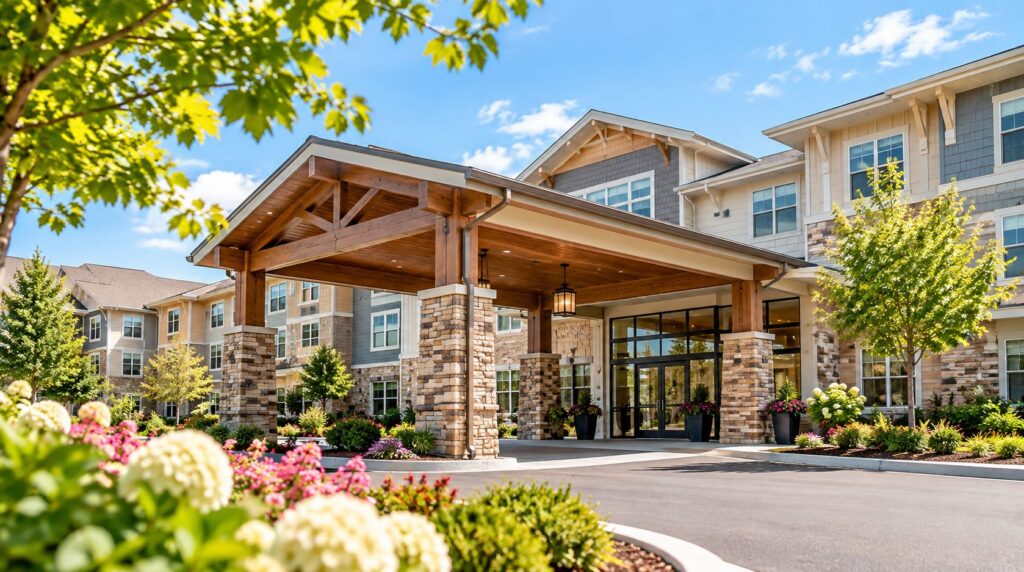
This type of setting may be appropriate for an older adult who wants to maintain as much independence as possible but needs regular help with personal care, daily activities, medications, or supervision and does not require continuous nursing care.
What Should Families Ask About Assisted Living in Michigan?
When comparing assisted living communities, do not rely on the words “assisted living” alone to determine the type or level of care provided. Ask:
“How is this community licensed in Michigan?”
You may also want to ask:
- What personal care services are included?
- Is nursing staff available, and during what hours?
- How are medications handled?
- What happens if my loved one’s care needs increase?
- Are there additional charges for higher levels of care?
- Under what circumstances would a resident need to move?
You can also verify the facility’s license and review available regulatory information through the Michigan Department of Licensing and Regulatory Affairs (LARA).
Understanding both the community’s license and the services it actually provides can help you make a more meaningful comparison between assisted living options.
3. Adult Foster Care and Residential Care Homes
Residential care homes can provide a smaller, more home-like alternative to larger senior living communities. In Michigan, many of these homes operate under an Adult Foster Care (AFC) license. Adult Foster Care facilities provide personal care, protection, and supervision to adults who need assistance with daily living but do not require continuous nursing care.
AFC settings vary in size and structure. Michigan licenses several types of Adult Foster Care facilities, including family homes, small group homes, and large group homes. Group homes may serve anywhere from a few residents to as many as 20, depending on the type of license.
Depending on the home and each resident’s needs, services may include:
- Assistance with bathing and dressing
- Meals and meal preparation
- Medication assistance
- Mobility assistance
- Personal care
- Supervision
- Housekeeping
- Social interaction and activities
For families considering a smaller setting, a residential care home may offer a more intimate environment with fewer residents than a traditional senior living community. Some older adults may prefer the familiar feel of a house, smaller common areas, and a quieter daily routine.
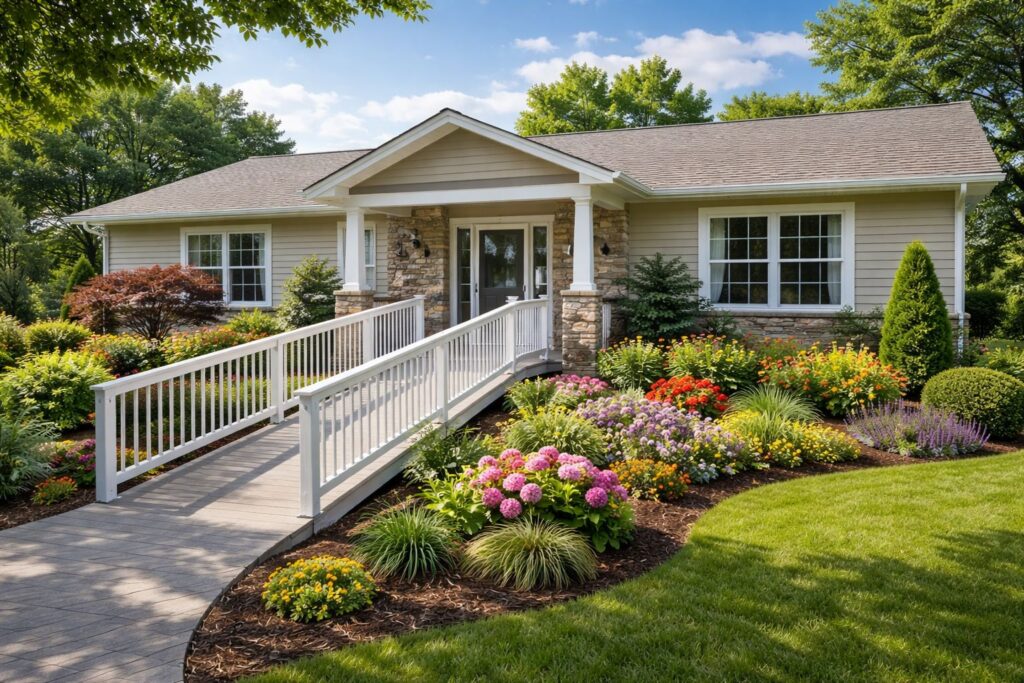
However, size alone does not determine the quality or level of care. Families should compare staffing, services, experience, safety practices, activities, costs, and the home’s ability to meet a resident’s current and future needs.
Is Adult Foster Care the Same as Assisted Living?
Not exactly. Adult Foster Care is a Michigan licensing category, while “assisted living” and “residential care home” are commonly used terms that may describe the setting or services being offered.
An AFC home may describe its services as assisted living or residential care, but families should still verify how the home is licensed and what care it is actually equipped to provide. When considering an Adult Foster Care or residential care home, ask:
- What type of AFC license does the home have?
- How many residents is it licensed to serve?
- How is the home staffed during the day and overnight?
- Can the home support residents with dementia?
Understanding the license, size, staffing, and services can help you determine whether a particular residential care home is a good fit for your loved one.
4. Memory Care
Memory care provides specialized support for people living with Alzheimer’s disease and other forms of dementia. These communities are designed around the changing cognitive, personal care, and safety needs that can accompany dementia. Families who are new to this type of care can learn more in our Memory Care Explained: A Complete Guide for Families Navigating Alzheimer’s and Dementia Care.
Depending on the community and the needs of its residents, memory care may provide:
- Structured daily routines
- Staff trained in dementia care
- Secured or monitored environments
- Assistance with bathing, dressing, and other personal care
- Medication assistance
- Activities adapted for different cognitive abilities
- Increased supervision
- Support for dementia-related behaviors and changes
Memory care may be worth considering when changes in memory, judgment, behavior, or daily functioning make it increasingly difficult for someone to live safely in their current environment, even with support from family or caregivers.
Changes that may prompt families to consider whether more support is needed include:
- Wandering, exit-seeking, or getting lost, which can happen even in places that once felt completely familiar. Our guide on Why People with Dementia Get Lost in Familiar Places explains why this can happen and what families can do to improve safety.
- Difficulty managing medications safely
- Leaving appliances on or other household safety concerns
- Changes in eating, bathing, or personal hygiene
- Increased confusion at night
- Difficulty recognizing familiar people or surroundings
- Unsafe driving
- Increasing difficulty being left alone safely
- Growing care needs that are becoming difficult to manage at home
These changes do not necessarily mean that a move to memory care is immediately required. They can, however, signal that it is time to reassess safety, supervision, and the level of support your loved one needs.
Is Memory Care a Separate License in Michigan?
Memory care is not a separate Michigan licensing category. The term describes specialized care and services for people living with dementia rather than a specific type of facility license.
A community offering memory care may operate under a Home for the Aged (HFA) or Adult Foster Care (AFC) license, depending on the setting and services provided.
Because the words “memory care” alone do not tell you exactly what a community provides, families should look beyond the name and ask about the actual dementia care program.
Questions to consider include:
- What dementia-specific training does staff receive?
- How do you respond to wandering or exit-seeking?
- What safety measures are in place?
- How do you respond as dementia progresses?
- Can my loved one remain here if care needs increase?
The answers can help you understand how a community approaches dementia care day to day and whether its environment, staffing, and services are appropriate for your loved one’s needs.
5. Nursing Homes
Nursing homes provide a higher level of nursing and medical support than Homes for the Aged or Adult Foster Care homes. They are designed for people who need ongoing nursing care or substantial assistance that cannot safely be provided in a less intensive residential setting.
A nursing home may be appropriate for someone who:
- Requires ongoing nursing care
- Has complex medical needs
- Needs extensive assistance with daily activities
- Requires close monitoring because of health or safety concerns
- Cannot safely receive the necessary level of care in a less intensive setting
- Needs long-term residential nursing care
Nursing homes may provide both long-term care and short-term skilled nursing or rehabilitation. For example, someone might enter a facility temporarily after a hospitalization, surgery, illness, or injury to receive nursing care and rehabilitation before returning home.
Nursing Home vs. Skilled Nursing Facility: What Is the Difference?
Families often hear the terms nursing home and skilled nursing facility (SNF) used interchangeably. In practice, the same facility may provide both long-term nursing home care and short-term skilled nursing services, but the type of care a person is receiving and the reason for the stay are important distinctions.
A short-term skilled nursing stay may include services such as:
- Skilled nursing care
- Physical therapy
- Occupational therapy
- Speech-language therapy
- Wound care
- Rehabilitation following hospitalization
The goal of a short-term stay is often to help someone recover enough to return home or transition to another care setting.

Long-term nursing home care is different. It is intended for people who need ongoing nursing support, supervision, and substantial assistance with everyday activities and cannot safely live in a less intensive setting.
Does Medicare Pay for Nursing Home Care?
Medicare may cover qualifying short-term skilled nursing facility care when Medicare’s eligibility and coverage requirements are met. Coverage is not based simply on living in a nursing home.
Medicare generally does not pay for long-term nursing home care when custodial care, such as help with bathing, dressing, eating, or other everyday activities, is the only care a person needs.
This distinction can be confusing, especially when a family is arranging care after a hospitalization. Our guide, What Does Medicare Cover for Long-Term Care? 12 Essential Facts Every Family Should Know, explains what Medicare may cover, what it generally does not cover, and where families may need to consider other ways to pay for long-term care.
Before choosing a nursing home, ask whether your loved one is being admitted for short-term skilled care, long-term residential care, or both, and make sure you understand how the stay is expected to be paid for.
Senior Housing Options in Michigan at a Glance
Each type of senior housing provides a different level of independence, personal care, supervision, and medical support. This quick comparison can help you understand the basic differences before exploring individual communities.
| Housing Option | Generally Best For | Typical Support |
| Independent Living | Older adults who can generally manage daily activities independently | Housing, amenities, meals, activities, transportation, and convenience |
| Assisted Living / Home for the Aged | Older adults who need regular help with personal care or daily activities | Personal care, meals, supervision, medication assistance, and daily support |
| Adult Foster Care / Residential Care Home | Adults who need personal care and supervision, often in a smaller residential setting | Personal care, meals, medication assistance, supervision, and daily support |
| Memory Care | People living with Alzheimer’s disease or another form of dementia who need specialized support | Dementia-focused care, structured routines, personal care, supervision, and additional safety measures |
| Nursing Home | People who need ongoing nursing care or substantial assistance with daily activities | Nursing care, medical support, personal care, supervision, and rehabilitation when needed |
Keep in mind: These categories can help you narrow your search, but individual providers differ in the services they offer, the residents they can support, and what is included in their rates. Always verify a community’s license and ask whether it can meet your loved one’s specific needs.
What If Your Loved One Wants to Remain at Home?
Moving into senior housing is not the right choice for every older adult. Many people want to remain in their own homes for as long as possible, and with the right support, aging in place may be an option.
If your loved one can remain safely at home but needs help with everyday activities, in-home care can provide non-medical support such as bathing, dressing, meal preparation, companionship, light housekeeping, transportation, and errands. The amount of help can range from occasional visits to more extensive daily care, depending on the person’s needs.
Home health care serves a different purpose. It provides eligible skilled health services in the home, which may include nursing care, physical therapy, occupational therapy, or speech-language therapy. Home health is generally used when someone has a medical need for skilled care rather than ongoing help with everyday household or personal tasks.
Some older adults may receive both types of support because they address different needs.
When deciding between aging in place and moving to senior housing, consider more than your loved one’s preference to remain at home. Think about:
- How much assistance they need throughout the day and night
- Whether the home can continue to be navigated safely
- Whether family caregivers are available and able to provide ongoing support
- Opportunities for social interaction and companionship
- Whether memory changes create additional safety concerns
- The total cost of providing enough care at home
- How the plan would work if care needs increase
Consider the Family Caregiver, Too
If family members are currently providing care, consider whether that arrangement is sustainable over time. Work schedules, distance, other family responsibilities, the physical demands of caregiving, and the need for evening or overnight supervision can all affect how realistic it is to continue providing care at home.
This does not necessarily mean that moving is the answer. Additional in-home support may make it possible for your loved one to remain at home longer. The important question is whether the overall care plan can safely and realistically meet your loved one’s needs without depending on more help from family caregivers than they can consistently provide. The goal is not simply to remain at home or to move. It is to find a living and care arrangement that provides the right balance of safety, independence, support, and quality of life for your loved one.
How Much Does Senior Housing Cost in Michigan?
Senior housing costs in Michigan vary considerably depending on the type of community, location, level of care, room or apartment, and services a resident needs.
According to the CareScout Cost of Care Survey 2025, published in 2026, the statewide median cost of assisted living in Michigan is approximately $5,818 per month. Nursing home care is considerably more expensive, with a statewide median of approximately $11,254 per month for a semi-private room and $11,969 per month for a private room.
These figures can provide a useful starting point for planning, but they should not be treated as quotes from individual providers. Actual costs may be higher or lower depending on the community, location, accommodations, and amount of care your loved one needs.
Costs for independent living, Adult Foster Care and residential care homes, and memory care can also vary widely. CareScout does not report a separate statewide median for memory care, so rather than estimate one, families should compare pricing directly with individual providers.
What Affects the Cost of Senior Housing?
Several factors can affect the monthly cost, including:
- Location
- Type of community
- Private or shared accommodations
- Level of personal care needed
- Staffing and supervision
- Amenities
- Medication assistance
- Dementia or memory care needs
- Additional services
The number that matters most is not necessarily the advertised starting price. It is the total expected monthly cost based on your loved one’s actual care needs.
Ask What Is Included in the Monthly Price
When comparing communities, ask:
- What is the base monthly rate?
- What services are included in that rate?
- Is personal care included?
- Is medication assistance included or charged separately?
- Are there different levels of care and additional charges for each?
- Is there an additional memory care fee?
- Are there move-in, community, or administrative fees?
- Are meals, housekeeping, laundry, and transportation included?
- How often can rates increase?
- What happens to the monthly cost if care needs increase?
A community with a lower advertised starting price may not ultimately cost less once care charges and additional fees are included.
Whenever possible, ask for a written breakdown of expected costs based on your loved one’s current needs. This can make it easier to compare communities accurately and plan for expenses that may change as care needs increase.
Does Medicare Pay for Senior Housing in Michigan?
Generally, no. Medicare does not pay for the ongoing cost of senior housing or long-term custodial care in Michigan. Medicare generally does not cover the regular cost of living in an assisted living community, Home for the Aged, Adult Foster Care home, memory care community, or other residential setting when the primary need is housing, supervision, or help with everyday activities.
This means Medicare generally does not pay for:
- Room and board
- Meals as part of long-term residence
- Ongoing supervision
- Help with bathing, dressing, eating, or other daily activities when custodial care is the only care needed
- The regular monthly cost of assisted living or memory care
However, living in a senior community does not prevent someone from using Medicare for health care they would otherwise qualify to receive. Medicare may still cover eligible services such as doctor visits, hospital care, certain therapies, medical equipment, and other medically necessary services when Medicare’s coverage requirements are met.
Medicare may also cover qualifying short-term skilled nursing facility care for a limited period when eligibility requirements are met. This is different from paying for someone to live in a nursing home on a long-term basis.
For a more detailed explanation of these distinctions, see our guide, What Does Medicare Cover for Long-Term Care? 12 Essential Facts Every Family Should Know.
Understanding what Medicare does and does not cover before choosing senior housing can help families plan more realistically for the costs of long-term care.
Does Medicaid Pay for Senior Housing in Michigan?
Michigan Medicaid may help eligible individuals pay for certain long-term care services, but it does not simply pay the full monthly cost of senior housing.
What Medicaid may cover depends on the person’s financial and functional eligibility, the type of care needed, the Medicaid program, the residential setting, and whether the provider participates in that program.
For example, Michigan’s MI Choice Waiver Program allows eligible adults who meet nursing-facility-level-of-care and financial requirements to receive certain Medicaid-covered long-term care services while remaining in their own home or another qualifying residential setting. This can include an Adult Foster Care home or Home for the Aged.
MI Choice may cover eligible services and supports such as personal care and community living supports, nursing services, transportation, respite, home-delivered meals, and other approved services. However, Medicaid coverage for services should not be confused with payment for room and board or the entire monthly cost of living in a senior community.
Michigan Medicaid may also cover nursing facility care for individuals who meet the applicable financial and functional eligibility requirements and receive care in a Medicaid-certified facility.
If Medicaid may be part of your loved one’s care plan, ask providers early:
“Do you participate in any Michigan Medicaid programs, including MI Choice, and exactly which services or costs can Medicaid cover here?”
It is also important to confirm eligibility and coverage with the appropriate Michigan Medicaid or MI Choice agency rather than relying only on a provider’s statement that it “accepts Medicaid.”
Understanding what Medicaid may cover, and what your loved one may still need to pay privately, can help your family plan more accurately before choosing a community.
How Can I Check a Senior Care Facility’s License in Michigan?
Before choosing a senior care community, it is a good idea to verify how the facility is licensed and review available regulatory information.
The Michigan Department of Licensing and Regulatory Affairs (LARA) provides online tools that families can use to look up licensed Adult Foster Care (AFC) homes, Homes for the Aged (HFA), nursing homes, and other regulated facilities.
Depending on the type of provider, you may be able to review:
- Current licensing information
- Recent inspection reports
- Complaint investigation reports
- The type of license held by the facility
When reviewing these records, consider them one part of your overall research. An inspection or complaint report may provide useful information, but it should be considered alongside what you learn directly from the community.
Michigan recommends that families considering an Adult Foster Care home or Home for the Aged visit the home, talk with residents and staff, consider the surrounding area, and interview the provider. Families should also clearly understand the services being offered, the cost of those services, and carefully review documents before signing them.
During your visit, compare what you see and hear with the information you found through LARA. Ask questions about anything you do not understand, including previous inspection findings, services, staffing, costs, and what happens if your loved one’s needs change.
Taking the time to verify a facility’s license, review available records, and visit the community in person can give you a more complete picture before making a decision.
Questions to Ask When Comparing Senior Housing in Michigan
A tour is your opportunity to look beyond the photos, amenities, and first impressions and learn how a community would actually support your loved one day to day.
Bring a list of questions, take notes, and ask for important information about services and costs in writing whenever possible. Using the same questions at each community can also make it easier to compare your options later.
Consider asking:
Licensing and Care
- How is this facility licensed in Michigan?
- What level of care can you provide?
- How are new residents assessed before moving in?
- How are care plans created and updated?
- How do you determine when a resident’s care needs have changed?
- What happens if my loved one needs more assistance in the future?
- What circumstances could require a resident to move to another setting?
Staffing and Daily Support
- How is the community staffed during the day, evening, and overnight?
- Is nursing staff available? If so, during what hours?
- How are medications managed?
- How do residents get help if they need assistance during the night?
- How are emergencies handled?
- How will our family be notified if there is a significant change or emergency?
Dementia and Specialized Care
- What dementia care services are available?
- What dementia-specific training does staff receive?
- How do you support residents who wander, become confused, or experience changes in behavior?
- Can a resident remain in the community if memory or care needs increase?
Services and Costs
- What is included in the monthly rate?
- Which services cost extra?
- Are there different levels of care with additional fees?
- How often can rates increase?
- Are there move-in, community, or administrative fees?
- Can you provide a written estimate based on my loved one’s current care needs?
Outside Services and Payment
- Can outside home health, therapy, or hospice providers provide services here?
- Do you participate in any Michigan Medicaid programs, including MI Choice?
- If so, which services or costs may be covered?
- Do you accept long-term care insurance or VA benefits?
Before Signing
- Can we review the residency agreement before making a decision?
- What is the discharge or move-out policy?
- How much notice is required if a resident moves?
- What happens to fees or deposits if plans change?
- Who should we contact if we have a concern after my loved one moves in?
You do not need to ask every question during the first conversation. Start with the issues that matter most for your loved one, then follow up before making a final decision.
The goal is to understand not only what the community offers today, but what happens if your loved one’s health, care needs, or financial situation changes over time.
How Do You Know Which Senior Housing Option Is Right?
The best senior housing option depends on your loved one’s individual needs, preferences, finances, and the amount of support they require. A good place to start is by looking at these six areas.
1. Daily Care Needs
Consider how much help your loved one needs with everyday activities. Do they need assistance with bathing, dressing, eating, using the bathroom, walking, transferring, or managing medications? Are they mostly independent, or does someone need to be available throughout the day or night?
The amount of daily assistance needed can help you determine whether independent living, assisted living, Adult Foster Care, or a higher level of care may be appropriate.
2. Medical Needs
Think about the type and frequency of medical care your loved one requires. Do they need occasional medical services or therapy, or do they have complex health conditions that require ongoing nursing care and monitoring?
Someone who needs continuous nursing care may require a different setting than someone whose primary needs are personal care and supervision.
3. Memory and Safety
If your loved one is living with Alzheimer’s disease or another form of dementia, consider how cognitive changes are affecting everyday safety. Are there concerns about wandering, getting lost, medications, cooking, driving, eating, falls, nighttime confusion, or being left alone?
The question is not simply whether someone has a dementia diagnosis. Consider how their cognitive changes are affecting their ability to live safely and how much supervision they now need.
4. Lifestyle and Personal Preferences
Care needs are important, but so is the environment in which your loved one will be living. Would they prefer a larger community with activities, dining options, and more residents? Would a smaller residential home feel more comfortable? How important are privacy, outdoor space, social activities, meals, transportation, or religious and cultural preferences?
Whenever possible, include your loved one in these conversations and decisions.
5. Location and Family Access
Consider how easily family and friends will be able to visit and remain involved. A community may have attractive amenities, but location can make a meaningful difference over time. Think about proximity to family, doctors, hospitals, familiar neighborhoods, and other people or places that are important to your loved one.
6. Budget and Payment Options
Determine what your loved one can reasonably afford, both now and if care needs increase. Consider personal income and savings, long-term care insurance, veterans benefits, applicable Michigan Medicaid programs, and other available resources.
Ask providers not only about the current monthly rate but also how costs may change when additional care is needed.
Think About Today and Tomorrow
Your loved one’s needs may change over time. When comparing senior housing options, ask whether a community can provide additional support if those needs increase and what circumstances could require a move to another setting.
You do not have to predict every future care need. The goal is to choose an option that meets your loved one’s needs today while understanding what choices may be available if those needs change.
How to Find Senior Housing in Michigan
Once you have a better idea of the type of care and living environment your loved one may need, the next step is finding and comparing providers in the area where they want to live.
With Long-Term Care Finder, you can search for senior care providers in Michigan, explore different types of care, and contact providers directly. You can search for:
- Independent living
- Assisted living
- Residential care homes
- Memory care
- Nursing homes
- In-home care
- Home health care
- Adult day care
- Hospice care
As you compare options, look beyond location and amenities. Consider the services each provider offers, the level of care available, costs, staffing, licensing, and whether the provider can continue meeting your loved one’s needs if those needs change.
Once you identify providers that may be a good fit, contact them directly to ask questions, discuss availability and pricing, and schedule a visit when appropriate.
Long-Term Care Finder is not a referral or placement agency. There are no referral agents or commissions. Families search for providers and contact them directly.
Frequently Asked Questions About Senior Housing Options in Michigan
Choosing among the different senior housing options in Michigan can raise questions about care levels, licensing, costs, Medicare, Medicaid, and how different types of communities are regulated. These frequently asked questions provide quick answers to some of the most common questions families may have when comparing senior housing and care for an aging loved one.
What Are the Main Senior Housing Options in Michigan?
The main senior housing options in Michigan include independent living, assisted living or Homes for the Aged, Adult Foster Care or residential care homes, memory care, and nursing homes. Each provides a different level of housing, personal care, supervision, and nursing support. The appropriate option depends on the person’s health, daily care needs, memory and safety concerns, preferences, and budget.
Does Michigan License Assisted Living Facilities?
Michigan does not have a specific license called “assisted living.” Communities that market themselves as assisted living may operate under another Michigan licensing category, such as a Home for the Aged (HFA) or Adult Foster Care (AFC) license. Families should ask how a particular community is licensed rather than relying on the term “assisted living” alone.
What Is the Difference Between Assisted Living and Adult Foster Care in Michigan?
Adult Foster Care is a Michigan licensing category, while assisted living is a commonly used term describing a type of senior living and support. An assisted living community may operate under an Adult Foster Care license or a Home for the Aged license. AFC settings can include smaller residential homes as well as larger group homes, depending on the license.
What Is a Home for the Aged in Michigan?
A Home for the Aged (HFA) is a Michigan-licensed residential setting that generally provides room, board, and supervised personal care to 21 or more unrelated adults age 55 or older, although certain exceptions and exemptions may apply. Many larger communities commonly described as assisted living operate under a Home for the Aged license.
Is Memory Care Licensed Separately in Michigan?
No. Memory care is not a separate Michigan licensing category. Memory care describes specialized services and support for people living with Alzheimer’s disease or another form of dementia. A community offering memory care may operate under a Home for the Aged or Adult Foster Care license, depending on the setting and services provided.
How Much Does Assisted Living Cost in Michigan?
According to the CareScout Cost of Care Survey 2025, published in 2026, the statewide median cost of assisted living in Michigan is approximately $5,818 per month. Actual costs can vary considerably based on location, accommodations, care needs, amenities, and additional service fees. Families should request a written estimate based on their loved one’s specific needs.
Does Medicare Pay for Assisted Living in Michigan?
Generally, no. Medicare does not pay the regular monthly cost of assisted living, including room, board, supervision, and custodial personal care. However, a person living in assisted living may still use Medicare for eligible health care services. Medicare may also cover qualifying short-term skilled nursing facility care when Medicare requirements are met.
Does Medicaid Pay for Assisted Living in Michigan?
Michigan Medicaid may help eligible individuals pay for certain long-term care services, but it does not simply pay the entire assisted living bill. Programs such as the MI Choice Waiver Program may cover eligible services for qualifying individuals in certain residential settings, including some Adult Foster Care homes and Homes for the Aged. Room and board and covered care services may be treated differently.
How Do I Check an Assisted Living or Adult Foster Care License in Michigan?
Families can use the Michigan Department of Licensing and Regulatory Affairs (LARA) to look up licensed Adult Foster Care homes, Homes for the Aged, nursing homes, and other regulated facilities. Depending on the facility type, you may also be able to review inspection and complaint investigation information. Licensing records should be considered alongside an in-person visit and conversations with the provider.
What Is the Difference Between a Nursing Home and Assisted Living?
Nursing homes provide a higher level of nursing and medical support than assisted living settings generally provide. Assisted living is typically intended for older adults who need personal care, supervision, or help with daily activities but do not require continuous nursing care. Nursing homes serve people who may have complex medical needs, require extensive assistance, or need ongoing nursing care.