
Nursing Homes
Skilled nursing support for recovery, daily care, and ongoing health needs
Nursing homes, also known as skilled nursing facilities, provide 24/7 medical care, supervision, rehabilitation, and daily support for individuals with more advanced health or personal care needs.
This level of care may be appropriate for those recovering after hospitalization, managing chronic medical conditions, living with significant mobility limitations, or requiring ongoing skilled nursing support.
Licensed nurses, caregivers, therapists, and healthcare professionals work together to provide consistent care in a safe, structured environment.
For many families, nursing home care offers reassurance and peace of mind, knowing their loved one has access to continuous support and professionalism.
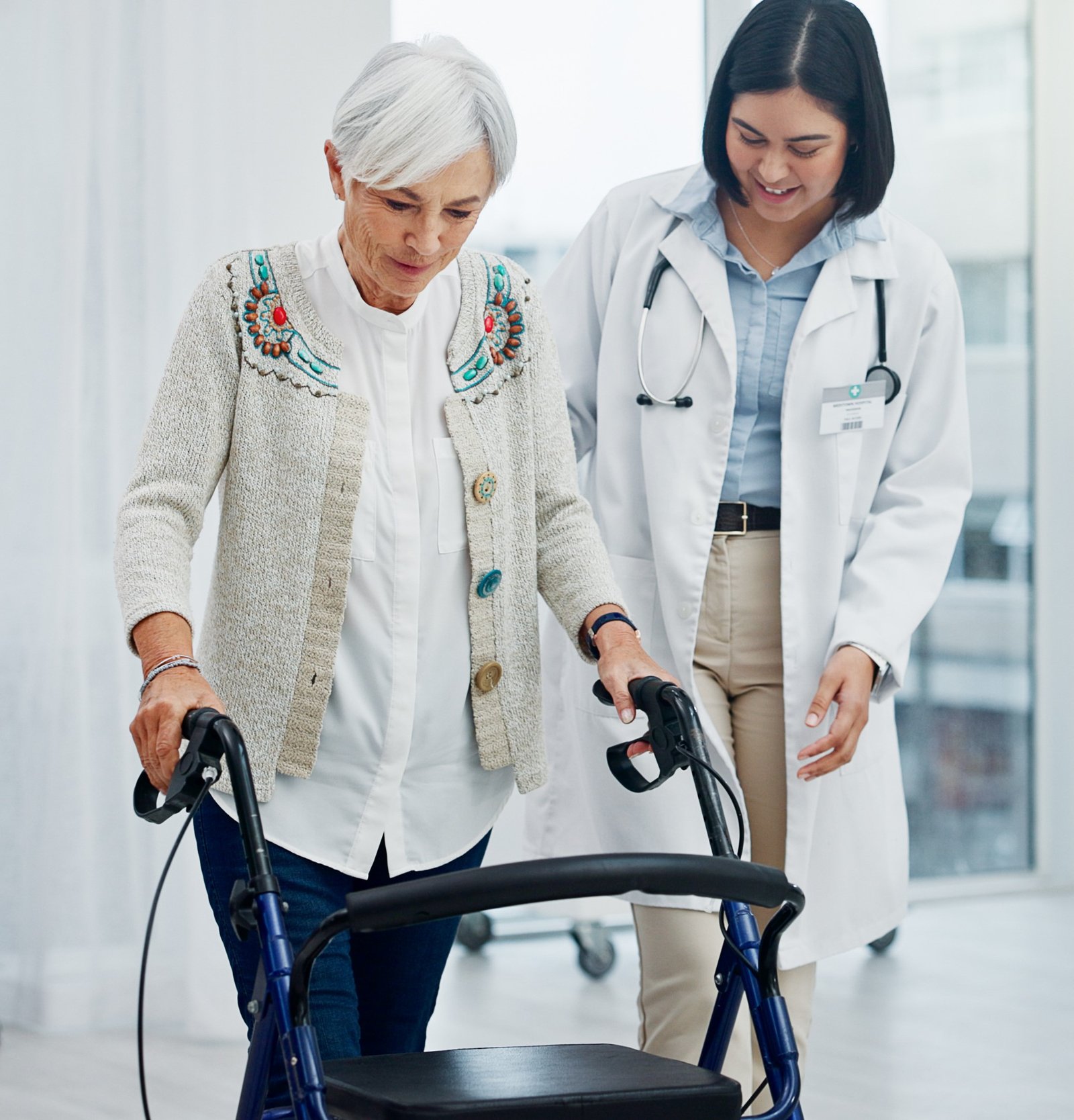
Consistent care in a safer, more supervised setting
Nursing homes are designed for individuals who need ongoing medical oversight, rehabilitation, and daily support that may no longer be manageable at home or in a less intensive care environment.
When a Nursing Home May Be the Right Choice
For many families, this decision comes during a time of change, uncertainty, or recovery.
A nursing home may be the right fit when a person's care needs become too complex to safely manage at home or in an assisted living setting. These communities are provide around-the-clock supervision, skilled nursing care, rehabilitation services, and daily support tailored to each individual's needs.
In these moments, having the right level of care can make a meaningful difference — not only for safety, but also for recovery, comfort, and overall well-being.
Search Nursing Homes Near MeFamilies often consider this option when a loved one:
- Requires 24/7 medical supervision or skilled nursing care
- Is recovering after surgery, injury, illness, or a hospitalization
- Needs rehabilitation services such as physical, occupational, or speech therapy
- Has a chronic or complex medical condition that requires close monitoring
- Requires extensive assistance with mobility, transfers, or other daily activities
- Needs a safer environment with continuous supervision and support
When more support becomes necessary
For many families, nursing home care becomes the right next step when medical needs, recovery support, or around-the-clock supervision can no longer be safely managed at home.

Why Families Choose Nursing Homes
When care becomes more medically complex, families often find reassurance in a setting designed to support both health and stability.
For many families, it’s not only about medical care, it's also about knowing their loved one is receiving the support, supervision, and attention they need in a safe environment.
Nursing homes may provide:
- Immediate access to licensed nurses and healthcare professionals
- A structured environment designed to support safety and reduce risks
- Rehabilitation support during recovery periods after illness or hospital stay
- Assistance with complex medical needs and medication management
- Relief for caregivers who may no longer be able to safely manage care at home
- Ongoing supervision that supports comfort, stability, and daily well-being
Key Features of Nursing Homes
Nursing homes are designed to provide a higher level of care by combining medical support, rehabilitation services, and daily living assistance in one setting.
24/7 Skilled Nursing Care
Licensed nurses and trained staff are available around the clock to monitor health, administer treatments, and respond to medical needs.
Rehabilitation and Therapy Services
Physical, occupational, and speech therapy services help individuals regain strength and mobility after illness, injury or hospitalization.
Medication and Medical Management
Care teams oversee medications, treatments, medical equipment, and ongoing health monitoring to help support safety and consistency.
Personal Care and Daily Support
Assistance with bathing, dressing, eating, mobility, toileting, and other daily activities is provided with dignity and compassion.
Safe, Structured Environment
Facilities are designed to support supervision, safety, fall prevention, and medical stability while promoting comfort and recovery.
Coordinated Care Planning
Care plans are regularly updated, often involving physicians, nurses, therapists, caregivers and family members working together.
Short-Term vs Long-Term Nursing Home Care
Not all nursing home stays are permanent. Some individuals enter a nursing home temporarily for rehabilitation and recovery, while others require ongoing long-term skilled nursing support.
Understanding the difference can help families make decisions that align with both immediate and future needs.
Short-Term Rehabilitation
Short-term nursing home care is often focused on recovery after surgery, illness, injury, or hospitalization. Rehabilitation services may help individuals regain strength and safely transition back home.
Long-Term Skilled Nursing Care
Long-term nursing home care is designed for individuals with ongoing medical conditions or significant daily care needs who require continuous supervision, assistance, ans skilled nursing support.

Planning for Nursing Home Care
Planning for nursing home care often involves understanding the level of medical support needed, available financial resources, and long-term care goals.
Costs and coverage can vary depending on the type of care required, length of stay, services provided, and the individual's medical and financial situation.
Taking time to explore available options, ask questions, and compare facilities can help families make more informed and confident decisions.
Understanding Coverage and Eligibility
Medicare may help cover short-term rehabilitation stays following hospitalization, while Medicaid, long-term care insurance, VA benefits, and private pay options may help cover longer-term nursing home care depending on eligibility and individual circumstances.
Because coverage and payment sources can vary based on medical needs, financial circumstances, and state-specific guidelines, families may benefit from asking detailed questions early and comparing what services and support are included from one facility to another.
Frequently Asked Questions About Nursing Homes
Common questions families ask when comparing nursing home care, understanding costs, and planning for the right level of support.
A nursing home—also known as a skilled nursing facility—is a type of long-term care designed for individuals who need a higher level of medical support and supervision. These communities provide 24-hour care from licensed nurses and trained staff.
Services typically include medical care, medication management, rehabilitation therapies, assistance with daily activities, meals, housekeeping, and ongoing monitoring. Nursing homes are best suited for individuals with complex health needs or those recovering from illness, injury, or surgery.
If you are comparing different levels of care, you can also explore other long-term care services to better understand how nursing homes fit within the broader care journey.
The cost of a nursing home can vary depending on location, level of care, and whether a private or shared room is selected. Because nursing homes provide a higher level of medical care and supervision, they are typically one of the more comprehensive care options.
Monthly costs often include room and board, nursing care, meals, and access to medical and therapeutic services. Some facilities may charge additional fees based on the level of care required. To better understand pricing and compare options, you can browse nursing homes directly through our directory and see what is available in your area.
It may be time to consider a nursing home when a loved one requires ongoing medical care that cannot be safely provided at home or in a less intensive setting. This may include frequent hospitalizations, complex medical conditions, mobility challenges, or the need for 24-hour supervision.
Families often reach this decision when safety becomes a concern or when caregiving needs exceed what can realistically be managed at home. Exploring nursing home options early can help you feel more prepared and confident when making this transition.
The primary difference lies in the level of care provided. Nursing homes offer 24/7 medical care and supervision for individuals with more complex or advanced health needs.
Assisted living, on the other hand, is designed for individuals who need help with daily activities but do not require continuous medical care. It focuses more on independence and lifestyle, with supportive services available as needed. If you are comparing options, you can explore both nursing homes and assisted living communities to better understand which level of care is appropriate.
In most cases, Medicare does not cover long-term nursing home care. It may only cover a short-term stay in a skilled nursing facility after a qualifying hospital stay and when specific medical criteria are met.
Medicaid, on the other hand, is the primary source of coverage for long-term nursing home care for individuals who meet eligibility requirements.
Because coverage can vary based on individual circumstances and state programs, it’s important to explore all financial options and understand what may be available to you.
Yes, nursing homes are designed to provide both short-term rehabilitation and long-term care. Some individuals stay temporarily while recovering from an illness or surgery, while others live in a nursing home long-term due to ongoing medical needs.
In many cases, nursing homes can continue to support residents as their needs change over time. Additional services, including hospice care, can often be provided within the facility, allowing individuals to remain in a familiar and supportive environment.
Choosing the right nursing home is an important and often emotional decision. It can help to consider factors such as the level of medical care provided, staff qualifications, cleanliness, safety measures, and overall environment.
Visiting facilities, asking detailed questions, and observing how staff interact with residents can provide valuable insight. You can begin your search and compare nursing homes directly on longtermcarefinder.com to find options that meet your loved one’s needs and provide peace of mind for your family.