
As temperatures rise during the summer months, following proper summer safety tips for seniors becomes increasingly important because older adults can face a higher risk of serious heat-related illnesses. While warm weather often brings opportunities to enjoy time outdoors, excessive heat and humidity can quickly become dangerous for seniors, especially those living with chronic health conditions or taking certain medications.
Understanding how to prevent heat-related illness in seniors can help families protect aging loved ones, reduce emergency situations, and support safer, healthier summer routines.
For many families, the warning signs of heat exhaustion or dehydration may not always be obvious at first. Symptoms can appear gradually and sometimes mimic other health concerns, making prevention especially important.
Heat-related illness in seniors refers to health conditions caused by extreme heat, dehydration, or the body’s inability to cool itself properly during hot weather. Common heat-related illnesses in older adults include heat cramps, heat exhaustion, and heat stroke, which can quickly become dangerous without prompt treatment and prevention.
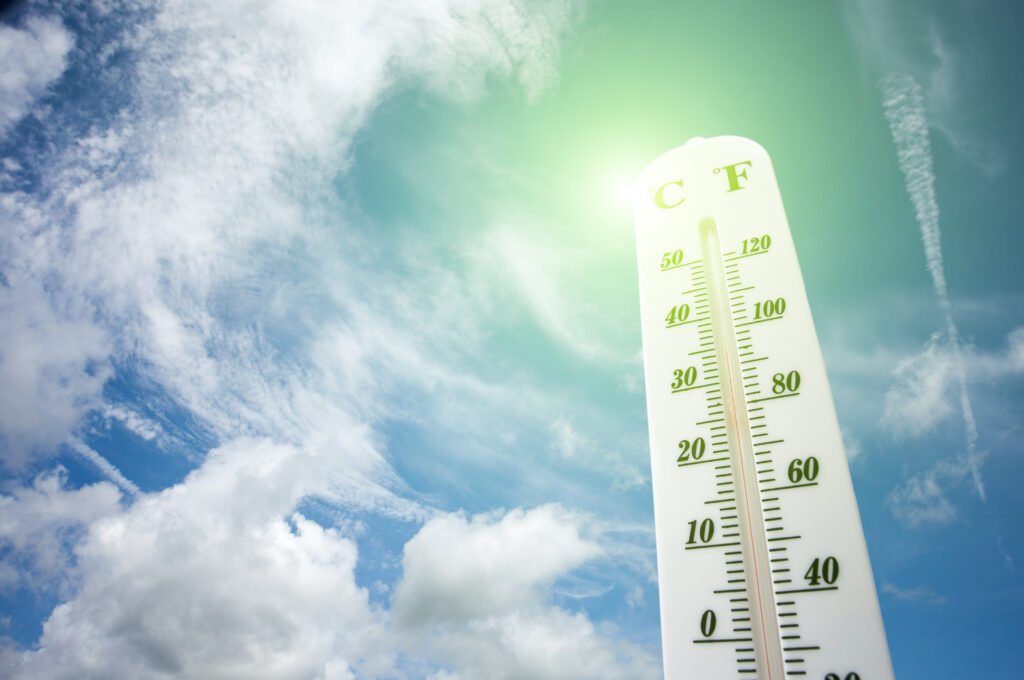
Why Seniors Are More Vulnerable to Heat-Related Illness
As people age, the body naturally becomes less effective at regulating temperature, making older adults more vulnerable to heat-related illness during the summer months. Seniors may sweat less efficiently, feel thirst less intensely, or experience underlying health conditions that make it harder for the body to cool itself during periods of extreme heat.
In many cases, older adults may not immediately recognize the early signs of dehydration or overheating, which can allow symptoms to worsen more quickly.
Several factors can increase the risk of heat-related illness in seniors, including:
- dehydration
- heart disease or respiratory conditions
- diabetes or kidney disease
- reduced mobility
- memory loss or cognitive decline
- medications that affect hydration or body temperature
- living alone without regular wellness check-ins
- lack of air conditioning or poor home ventilation
Certain medications, including diuretics, blood pressure medications, antihistamines, and some antidepressants, may also increase heat sensitivity or contribute to dehydration, especially during extended periods of hot weather.
Because of these combined risks, even moderate summer temperatures can sometimes become dangerous for older adults if proper precautions are not taken. For additional summer safety guidance and heat-related illness prevention, families can also visit trusted health resources from the Centers for Disease Control and Prevention and the National Institute on Aging.
Common Heat-Related Illnesses Seniors May Experience
Heat-related illness in seniors can range from mild dehydration and muscle cramps to serious medical emergencies such as heat stroke. Because symptoms can sometimes appear gradually, families may not immediately recognize when an older adult is becoming overheated.
Understanding the different types of heat-related illness, and the warning signs associated with each one, can help caregivers respond more quickly and seek medical attention when needed.
Heat Cramps
Heat cramps are painful muscle spasms that can develop after prolonged sweating, dehydration, or physical activity in hot temperatures. While often considered one of the milder heat-related illnesses, heat cramps may signal that the body is already struggling to maintain proper fluid and electrolyte balance.
Symptoms may include:
- muscle cramps in the legs, arms, or abdomen
- heavy sweating
- fatigue or weakness
- increased thirst
Heat Exhaustion
Heat exhaustion is more serious and may occur after extended exposure to high temperatures or inadequate fluid intake. Older adults are especially vulnerable because the body may have more difficulty cooling itself efficiently with age.

Common symptoms of heat exhaustion include:
- dizziness or lightheadedness
- unusual weakness or fatigue
- headache
- nausea or vomiting
- cool, clammy skin
- excessive sweating
- rapid pulse
- fainting or near-fainting episodes
Without prompt cooling and hydration, heat exhaustion can progress into heat stroke.
Heat Stroke
Heat stroke is a life-threatening medical emergency that requires immediate medical attention. It occurs when the body can no longer regulate temperature effectively, causing body temperature to rise rapidly.
Warning signs of heat stroke may include:
- confusion or sudden disorientation
- body temperature above 103°F
- hot, dry skin
- rapid heartbeat
- difficulty speaking
- loss of consciousness
- seizures
If heat stroke is suspected, call emergency services immediately. While waiting for help, move the individual to a cooler environment and attempt to lower body temperature using cool cloths, fans, or air conditioning if available.
10 Summer Safety Tips for Seniors
Families can take proactive steps to reduce the risk of heat-related illness in seniors and help older adults stay safer, healthier, and more comfortable during hot summer weather. Even small daily habits can make a meaningful difference in preventing dehydration, overheating, and other serious heat-related complications.
1. Encourage Consistent Hydration
One of the most important summer safety tips for seniors is staying hydrated throughout the day. Proper hydration helps regulate body temperature, supports circulation, and reduces the risk of dehydration and heat exhaustion.
Older adults may not always feel thirsty, even when the body needs fluids, making regular hydration especially important during warm weather.
Helpful hydration tips for seniors include:
- keeping water easily accessible throughout the home
- offering flavored water or electrolyte drinks if approved by a healthcare provider
- limiting excessive caffeine or alcohol
- eating hydrating foods such as watermelon, cucumbers, oranges, berries, and lettuce
Families should also watch for signs of dehydration in seniors, including:
- dry mouth
- dark urine
- dizziness
- confusion
- unusual fatigue
- headaches

2. Avoid Outdoor Activities During Peak Heat
Another essential summer safety tip for seniors is limiting outdoor activity during the hottest part of the day, which is typically between 10 a.m. and 4 p.m.
Excessive heat and humidity can increase the risk of heat exhaustion, dehydration, and heat stroke in older adults, even after short periods outdoors.
Encourage seniors to:
- schedule walks, errands, or gardening during early morning or evening hours
- avoid strenuous outdoor activities during extreme heat
- rest frequently in shaded or air-conditioned areas
- wear lightweight, breathable clothing outdoors
- take frequent hydration breaks
Even short periods of outdoor heat exposure can quickly become overwhelming for some older adults, especially those living with heart disease, respiratory conditions, or mobility limitations.
For heat advisories and extreme weather updates, families can also monitor recommendations from the Centers for Disease Control and Prevention.
3. Keep the Home Cool
Keeping indoor spaces cool is one of the most effective ways to reduce the risk of heat-related illness in seniors during the summer months. Air conditioning can significantly lower the risk of overheating, dehydration, and heat exhaustion — especially during periods of extreme heat or high humidity.
For older adults living independently, maintaining a safe indoor temperature becomes especially important during heat waves.
If air conditioning is unavailable, families can help by:
- using fans to improve airflow
- closing blinds or curtains during the hottest part of the day
- avoiding oven or stove use during peak heat hours
- spending time in cooling centers, libraries, shopping centers, or other air-conditioned public spaces
- using cool washcloths or cooling towels for added comfort
During periods of extreme heat, regular wellness checks are especially important for seniors living alone. Family members, neighbors, caregivers, or friends may help identify early warning signs of dehydration or overheating before symptoms become more serious.
4. Dress in Lightweight, Breathable Clothing
Choosing the right clothing can help older adults stay cooler and more comfortable during hot summer weather. Lightweight, breathable fabrics allow better airflow and help the body regulate temperature more effectively.
Loose-fitting, light-colored clothing is often recommended because darker colors and heavy fabrics may trap heat and increase the risk of overheating.
Encourage seniors to wear:
- breathable cotton or moisture-wicking fabrics
- lightweight, loose-fitting clothing
- wide-brim hats when outdoors
- comfortable shoes with proper support
- sunglasses for additional sun protection
Families should also encourage seniors to avoid layering unnecessary clothing during extreme heat, particularly indoors without air conditioning.
Combined with proper hydration and limited heat exposure, simple clothing adjustments can play an important role in preventing heat-related illness in seniors during the summer months.
5. Watch for Medication-Related Heat Risks
Certain medications can increase heat sensitivity, affect hydration levels, or make it harder for the body to regulate temperature properly during hot weather. Because of this, medication-related heat risks are an important part of summer safety for seniors.
Older adults taking multiple medications may face an even greater risk of dehydration, dizziness, overheating, or heat-related illness during periods of extreme heat.
Families should review medications with a healthcare provider or pharmacist to better understand possible summer safety concerns.
Important questions may include:
- Does this medication increase dehydration risk?
- Can this medication affect body temperature regulation?
- Should fluid intake be adjusted during hot weather?
- Are there warning signs or side effects to monitor during summer months?
Common medications that may increase heat sensitivity include:
- diuretics
- blood pressure medications
- antihistamines
- certain antidepressants
- some medications used for heart disease or kidney conditions
Monitoring medications carefully during heat waves can help families reduce the risk of heat exhaustion, dehydration, and heat stroke in seniors.
6. Never Leave Seniors in a Parked Car
One of the most important summer safety tips for seniors is to never leave an older adult inside a parked vehicle, even for a few minutes.
Temperatures inside cars can rise dangerously fast, even with windows cracked open. On hot summer days, vehicle temperatures may become life-threatening within minutes.
Older adults are especially vulnerable to rapid overheating because aging bodies may have more difficulty cooling down efficiently.
Heat exposure inside vehicles can quickly lead to:
- dehydration
- heat exhaustion
- confusion
- heat stroke
- loss of consciousness
Families and caregivers should always ensure seniors exit the vehicle safely before stepping away, even during quick errands or short stops.
7. Recognize Early Warning Signs Quickly
Early recognition of heat-related illness in seniors can help prevent medical emergencies and reduce the risk of serious complications.
Because symptoms may sometimes develop gradually, families should pay close attention to subtle changes in behavior, energy levels, or alertness during hot weather.
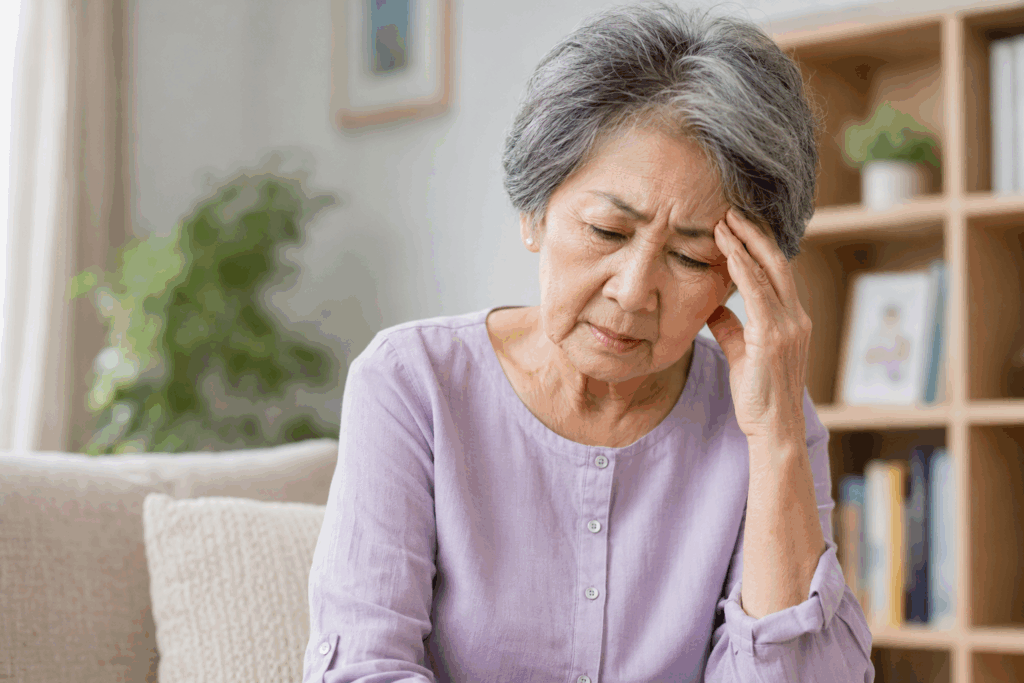
Warning signs to watch for may include:
- unusual confusion
- sudden weakness
- excessive fatigue
- dizziness or lightheadedness
- headache
- nausea
- changes in breathing
- decreased alertness
- increased irritability or disorientation
When symptoms appear, moving the individual to a cooler environment, encouraging fluids, and reducing heat exposure may help prevent worsening illness.
If symptoms become severe, especially confusion, fainting, difficulty speaking, or loss of consciousness, immediate medical attention may be necessary.
8. Encourage Regular Wellness Check-Ins
Regular wellness check-ins can play an important role in preventing heat-related illness in seniors, especially for older adults who live alone. Some seniors may not immediately recognize when they are becoming overheated or dehydrated, while others may minimize symptoms or avoid asking for help.
During periods of extreme heat, even brief daily check-ins can help families identify concerns before they become medical emergencies.
Family members, neighbors, caregivers, or friends can help by:
- calling or visiting regularly during heat waves
- reminding seniors to drink fluids consistently
- checking whether air conditioning or fans are working properly
- watching for confusion, fatigue, dizziness, or unusual behavior
- ensuring medications and meals are being managed safely
Even a quick daily phone call can provide reassurance and help detect early warning signs of dehydration or overheating.
9. Use Cooling Strategies Indoors and Outdoors
Simple cooling techniques can make a meaningful difference in helping older adults stay safer and more comfortable during hot summer weather.
In addition to hydration and air conditioning, small daily cooling strategies may help reduce body temperature and lower the risk of heat exhaustion in seniors.
Helpful cooling strategies may include:
- placing cool washcloths on the neck or wrists
- taking cool showers or baths
- using portable neck fans or handheld fans
- spending time in shaded outdoor areas
- using cooling towels or cold compresses
- avoiding direct sunlight during peak heat hours
Families should also encourage seniors to rest frequently and avoid overexertion during periods of high heat or humidity.
Combined with proper hydration and regular wellness checks, these small preventive steps can help reduce the risk of summer heat-related illness in older adults.
10. Have a Summer Emergency Plan
Preparing ahead for extreme heat events can help families respond more quickly and reduce panic during emergencies. Having a summer safety plan in place is especially important for seniors living alone or managing chronic health conditions.
A senior summer emergency plan may include:
- emergency contact information
- nearby cooling center locations
- backup transportation options
- updated medication lists
- hydration reminders
- daily wellness check schedules
- important medical information and healthcare contacts
Families may also want to discuss what steps to take if power outages occur during extreme heat, particularly for seniors who rely on air conditioning, oxygen equipment, or other medical devices.
Planning ahead can help older adults remain safer, more comfortable, and better supported throughout the summer months.
For families beginning to explore additional care or supervision options, longtermcarefinder.com can help connect individuals with assisted living, memory care, home health care, and other long-term care services that support senior safety and well-being.
Quick Summer Safety Checklist for Seniors
A simple summer safety checklist can help families and caregivers reduce the risk of heat-related illness in seniors during periods of hot weather and extreme heat.
✓ Drink water consistently throughout the day
✓ Avoid outdoor activities during peak heat hours
✓ Keep indoor spaces cool with air conditioning or fans
✓ Wear lightweight, breathable clothing
✓ Watch for signs of dehydration or heat exhaustion
✓ Review medications that may increase heat sensitivity
✓ Schedule regular wellness check-ins for seniors living alone
✓ Use cooling towels, cool showers, or shaded areas when needed
✓ Keep emergency contacts and medication lists easily accessible
✓ Have a summer emergency plan ready during heat waves
Even small preventive steps can help older adults stay safer, healthier, and more comfortable throughout the summer months.
Signs a Senior May Need Additional Support During Extreme Summer Heat
For some older adults, hot summer weather can make existing health, mobility, or cognitive challenges more noticeable. Repeated dehydration, worsening confusion, difficulty staying cool, or struggles with daily routines during extreme heat may signal that a senior needs additional care, supervision, or ongoing support.
Families often notice subtle changes first — especially during heat waves or periods of prolonged high temperatures.
Warning signs may include:
- forgetting to drink enough fluids throughout the day
- difficulty managing medications safely
- wandering outdoors in unsafe temperatures
- increased falls, dizziness, or physical weakness
- worsening confusion or disorientation during heat waves
- inability to keep the home cool independently
- poor nutrition or skipped meals during hot weather
- difficulty recognizing signs of dehydration or overheating
These situations can increase the risk of heat-related illness in seniors and may place older adults in unsafe or potentially dangerous situations if support needs continue to grow.
In some cases, families may begin exploring additional care options that provide more supervision, safety support, or assistance with daily activities.
Depending on a senior’s needs, helpful support options may include:
- Home Health Care for medical assistance while remaining at home
- Assisted Living for seniors needing help with daily routines and medication management
- Memory Care for individuals living with Alzheimer’s disease or other forms of dementia
- Residential Care Homes for more personalized, smaller-home care environments
Recognizing changing needs early can help families make thoughtful, proactive decisions before a medical crisis or heat-related emergency occurs.
How Caregivers Can Help Reduce Heat Risks
Family caregivers often play a vital role in helping older adults stay safe during hot summer weather. Because heat-related illness in seniors can sometimes develop gradually, daily support and observation may help caregivers recognize concerns before they become serious medical emergencies.
During periods of extreme heat, many families quietly worry about an aging parent becoming dehydrated, overheated, or confused while home alone — especially because warning signs may appear slowly or be mistaken for other health concerns.
Even small caregiving routines can make a meaningful difference in reducing the risk of dehydration, heat exhaustion, and overheating during the summer months.
Caregivers can help by:
- monitoring hydration throughout the day
- assisting with meals, snacks, and fluid intake
- arranging transportation to air-conditioned or cooler locations
- helping manage medications safely during hot weather
- encouraging indoor activities during periods of extreme heat
- watching for changes in health, behavior, or alertness
- checking that fans or air conditioning are working properly
- helping seniors avoid strenuous outdoor activities during peak heat hours

Caregivers should also pay attention to subtle warning signs such as unusual fatigue, confusion, dizziness, weakness, irritability, or reduced appetite, as these symptoms may sometimes indicate dehydration or another heat-related illness.
Consistent routines, proactive planning, and regular observation can go a long way in helping older adults remain safer, healthier, and more comfortable throughout the summer season.
Helpful Resources for Families
Families looking for additional guidance on senior care, long-term care planning, and memory-related conditions may find these resources helpful:
- Long-Term Care Explained: A Complete Guide for Families Navigating Senior Care – Learn about the different types of long-term care services available and how to determine which option may best fit your loved one’s needs.
- Senior Care Planning: How to Plan for Long-Term Care Before a Crisis Happens – Discover practical steps families can take to prepare for future care needs, reduce stress, and make informed decisions before an emergency arises.
- Alzheimer’s Disease Explained: Symptoms, Stages, Causes, and Care Options for Families – Gain a better understanding of Alzheimer’s disease, including early warning signs, disease progression, treatment approaches, and care options available for individuals and families.
- Family Caregiver Burnout: Warning Signs, Causes, and Support Every Caregiver Needs – Learn how to recognize the signs of caregiver burnout, understand its causes, and discover practical strategies and support resources to help protect your health and well-being while caring for a loved one.
- 10 Things Families Often Miss During an Assisted Living Tour – Discover the often-overlooked details that can reveal the true quality of an assisted living community, including staff interactions, resident engagement, safety practices, cleanliness, and overall quality of care.
Final Thoughts
Summer heat can create serious health risks for older adults, but many heat-related illnesses in seniors can be prevented with preparation, awareness, and early intervention. Understanding how hot weather affects aging adults, and recognizing the early warning signs of dehydration, heat exhaustion, or overheating, can help families respond before situations become more serious.
By following practical summer safety tips for seniors, families and caregivers can help older loved ones stay safer, healthier, and more comfortable throughout the warmer months. Simple daily habits such as encouraging hydration, limiting heat exposure, monitoring medications, and maintaining regular wellness check-ins can make a meaningful difference during periods of extreme heat.
Whether a loved one lives independently, receives care at home, or resides in an assisted living or memory care community, proactive summer planning can provide greater peace of mind for everyone involved.
Families exploring additional senior care resources or long-term care options can compare providers, explore support services, and connect directly with communities through longtermcarefinder.com.
Frequently Asked Questions About Summer Safety for Seniors
Hot summer temperatures can create serious health risks for older adults, especially during periods of extreme heat and humidity. These frequently asked questions about summer safety for seniors can help families better understand heat-related illness, dehydration risks, warning signs to watch for, and simple ways to help aging loved ones stay safer and more comfortable during the summer months.
Why are seniors more vulnerable to heat-related illness?
Older adults are often more sensitive to heat because the body becomes less efficient at regulating temperature with age. Certain medical conditions, medications, dehydration, and reduced mobility can also increase the risk of heat-related illness in seniors.
What temperature is too hot for seniors?
While tolerance varies from person to person, temperatures above 90°F — especially with high humidity — can become dangerous for many older adults. Seniors should take extra precautions during heat waves and avoid prolonged outdoor exposure.
What are the first signs of heat exhaustion in seniors?
Early signs of heat exhaustion may include dizziness, weakness, excessive sweating, headache, nausea, muscle cramps, fatigue, or lightheadedness. Recognizing symptoms early can help prevent more serious complications.
How can seniors stay safe during extreme heat?
Some of the best summer safety tips for seniors include staying hydrated, remaining in air-conditioned environments, avoiding outdoor activities during peak heat, wearing lightweight clothing, and monitoring for signs of overheating or dehydration.
Can dehydration cause confusion in seniors?
Yes. Dehydration in seniors can sometimes lead to confusion, dizziness, weakness, headaches, or changes in alertness. Severe dehydration may require medical attention if symptoms worsen.
What drinks help prevent dehydration in seniors?
Water is usually the best choice for hydration. Some seniors may also benefit from electrolyte drinks if approved by a healthcare provider. Fruits with high water content, such as watermelon and oranges, can also help support hydration.
Which medications can increase heat sensitivity in seniors?
Certain medications may increase the risk of heat-related illness, including diuretics, blood pressure medications, antihistamines, and some antidepressants. Families should review medication safety with a healthcare provider during hot weather.
What should families do if a senior shows signs of heat stroke?
Heat stroke is a medical emergency. Families should call emergency services immediately if a senior experiences confusion, loss of consciousness, very high body temperature, seizures, or hot, dry skin during extreme heat exposure.
How often should seniors drink water during hot weather?
Seniors should drink fluids consistently throughout the day rather than waiting until they feel thirsty. Small amounts of water regularly can help reduce the risk of dehydration during summer months.
When should families consider additional support for a senior during summer?
Families may want to explore additional care or supervision if an older adult struggles with hydration, medication management, mobility, confusion, or maintaining a safe indoor temperature during hot weather.