
Every year on April 16, National Healthcare Decisions Day reminds families across the country of something many of us quietly avoid:
What would happen if a loved one needed care—and no one knew what they wanted?
This important day encourages individuals and families to make healthcare decisions, complete advance directives, and begin healthcare planning before a crisis happens—when there is time, clarity, and the ability to have meaningful conversations.
Because the truth is, most medical decisions for seniors and families are not made during calm moments. They are made during emergencies. And that can change everything.
What is National Healthcare Decisions Day?
National Healthcare Decisions Day is observed on April 16 and encourages individuals and families to discuss and document healthcare preferences, including advance directives and healthcare proxies, before a medical crisis occurs.
Why Planning Ahead Matters More Than Most Families Realize
In the United States, millions of families are navigating healthcare decisions and long-term care planning every day—often without a clear plan in place.
According to the National Institute on Aging, taking time to plan ahead gives older adults the ability to:
- Maintain control over their healthcare preferences and medical decisions
- Reduce emotional stress for family members during difficult moments
- Prevent confusion or conflict during medical emergencies
- Ensure their wishes are clearly understood and respected
You can learn more about advance care planning directly here: https://www.nia.nih.gov/health/advance-care-planning
But beyond the practical benefits, planning ahead offers something even more important:
Peace of mind.

Without a documented plan—such as advance directives or a healthcare proxy—families are often left trying to make critical decisions under pressure, without knowing what their loved one truly wants. And in those moments, even the most thoughtful, loving choices can feel uncertain.
Planning ahead does not take away the difficulty of these situations. But it replaces uncertainty with clarity. And that can make all the difference.
What Are Healthcare Decisions?
Healthcare decisions are not just about choosing a doctor or hospital. They are about defining what matters most to you—especially in moments when you may not be able to speak for yourself.
At their core, healthcare decisions and healthcare planning involve deeply personal choices, such as:
- What types of medical treatments you would want—or choose to avoid
- Who you trust to make decisions on your behalf if you cannot (a healthcare proxy)
- Where you would prefer to receive care, whether at home, in assisted living, or in a medical setting
- How you value comfort, quality of life, independence, and dignity
These decisions help guide not only medical care, but also long-term care planning, ensuring that future support aligns with your wishes.
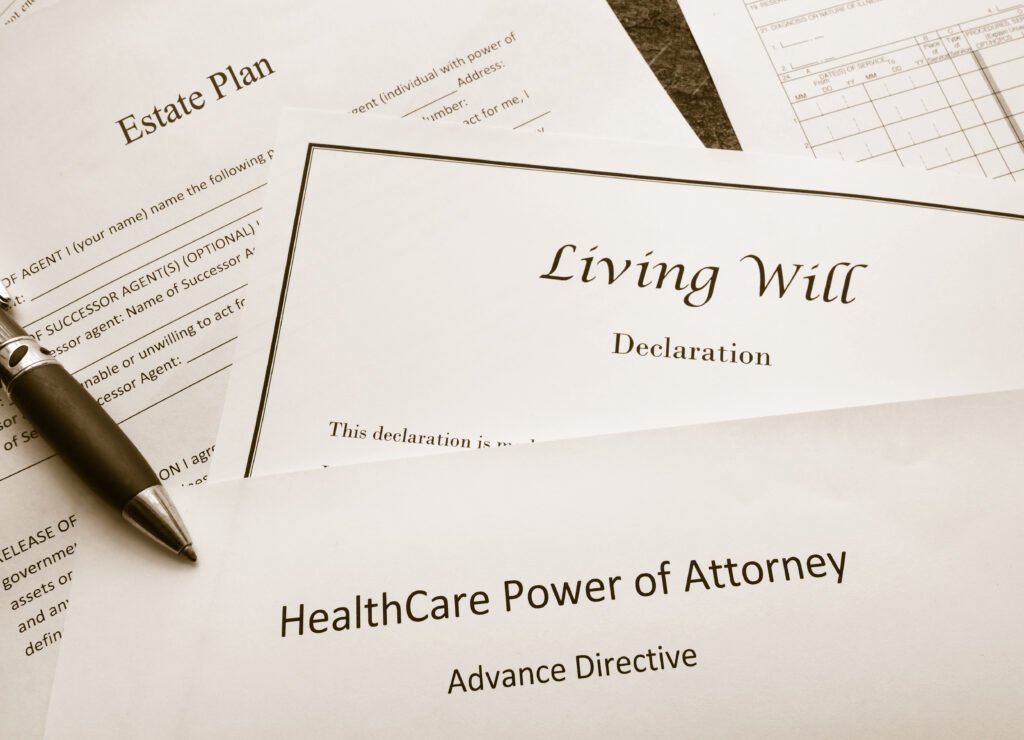
To make these preferences clear, they are typically documented through:
- Advance directives, which outline your healthcare wishes
- Living wills, which specify the types of treatments you do or do not want
- A healthcare proxy or durable power of attorney for healthcare, who can speak on your behalf
If you are unsure where to begin, Medicare offers trusted, easy-to-understand guidance on advance directives, patient rights, and healthcare decision-making.
Taking the time to put these decisions into writing is not just about planning ahead. It is about making sure your voice is heard—no matter what the future brings.
Why Families Often Delay These Conversations
If planning ahead is so important, why do so many families delay healthcare decisions and advance care planning?
Because it is deeply emotional. Because it can feel overwhelming to think about “what if” scenarios. Because it is human nature to believe there will always be more time.
For many families, starting a conversation about medical decisions, advance directives, or long-term care planning can feel uncomfortable—almost like opening a door they are not ready to face. So, it gets postponed. Not out of neglect, but out of love, uncertainty, and the hope that it is not yet necessary.
But the reality is, many families end up having these conversations for the very first time in a hospital room—during a moment filled with stress, fear, and urgency.
And in those moments, there is little time to reflect. Little time to ask thoughtful questions. Little time to truly understand what a loved one would want.
Planning ahead changes that experience. It allows these conversations to happen gradually, with care and intention—when everyone is calm, present, and able to listen. It turns a moment of crisis into a process of connection. And that can make all the difference—for both the person receiving care and the family supporting them.
How to Start the Conversation Without Overwhelm
You do not need to have every answer before you begin. You simply need to start.
For many families, the hardest part of healthcare planning is opening the conversation in a way that feels calm, respectful, and natural. The good news is that this does not have to be a formal or uncomfortable discussion. It can begin with one thoughtful question, one quiet moment, and one simple intention: understanding what matters most.
If you would like additional support with this kind of family conversation, you may also find our guide helpful: Making Decisions Together: A Guide for Seniors and Their Adult Children.

Here are a few gentle ways to begin:
1. Choose the right moment
A quiet afternoon, a relaxed visit, or a natural pause in conversation often works best. This discussion does not need to feel sudden or serious. A calm setting can help everyone feel more at ease.
2. Start with care, not paperwork
Rather than leading with legal forms or medical decisions, begin with reassurance. You might say:
“I want to make sure we understand what matters most to you, just in case we ever need to make decisions together.”
This keeps the focus where it belongs: on support, respect, and understanding.
3. Focus on values before specifics
Before talking about forms like advance directives or choosing a healthcare proxy, start with the bigger picture. Questions like these can open the door:
What does quality of life mean to you?
What helps you feel safe and comfortable?
What concerns you most when you think about future care needs?
These kinds of questions often lead to more meaningful and honest conversations than jumping straight into medical details.
4. Take it one step at a time
This does not need to happen all at once. In fact, it usually should not. The most meaningful healthcare decisions often come through a series of conversations over time.
Starting small is still starting. And sometimes, one gentle conversation is all it takes to begin replacing uncertainty with clarity.
A Simple Healthcare Planning Checklist for Families
If you are not sure where to begin, you are not alone. Starting healthcare planning can feel overwhelming—but it becomes much more manageable when you break it down into small, clear steps. Think of this as a gentle roadmap, not a task you need to complete all at once.
Here is a simple checklist to guide you:
✔ Choose a healthcare decision-maker (healthcare proxy)
Select someone you trust to make medical decisions on your behalf if you are unable to do so.
✔ Have open conversations about care preferences
Talk about what matters most—comfort, independence, treatment choices, and quality of life.
✔ Complete advance directive documents
Put your wishes in writing so they are clear and accessible when needed.
✔ Organize important medical and legal information
Keep documents, medications, insurance details, and emergency contacts in one easy-to-find place.
✔ Share your plans with family and providers
Make sure the right people know your wishes and have access to your documents.
✔ Revisit decisions over time
Preferences can change. Review your plan periodically to ensure it still reflects your wishes.
Even taking just one or two of these steps can bring clarity, reduce stress, and help your family feel more prepared.
Download Your Free Healthcare Planning Checklist here:
What Could Happen If You Don’t Plan Ahead?
When healthcare decisions are not discussed or documented, families are often left navigating some of the most difficult moments without clear direction.

In these situations:
- Family members may disagree on what the “right” decision is
- Medical teams may need to follow standard protocols that do not reflect personal wishes
- Important decisions can be delayed while loved ones try to determine next steps
- Emotional stress, guilt, and uncertainty can increase—sometimes lasting long after the moment has passed
For many families, this is not just a logistical challenge. It becomes an emotional one.
Trying to make medical decisions for someone you love—without knowing what they would have wanted—can feel overwhelming and deeply uncertain, even when everyone is acting with the best intentions.
Planning ahead does not remove the difficulty of these moments. But it changes the experience.
It provides guidance when it is needed most. It reduces the burden on family members. It ensures that care decisions reflect the person—not just the situation.
Planning ahead is not about expecting the worst. It is about protecting clarity, dignity, and peace of mind—for everyone involved.
How This Connects to Long-Term Care Planning
For many families, healthcare decisions are just the beginning.
Once conversations about preferences, values, and medical wishes begin, they often lead to important next questions:
- What kind of care might be needed in the future?
- What are the available long-term care options?
- How can we prepare now, before care becomes urgent?
This is where long-term care planning becomes a natural next step.
Exploring care options early gives families the time to understand what support looks like, compare choices thoughtfully, and make decisions without pressure. Instead of reacting during a crisis, you are planning with clarity and intention.
If you would like a deeper understanding of what long-term care includes, the different types of support available, and how families navigate these decisions, this guide can help: What Is Long-Term Care? A Complete Guide for Families Navigating Care Options
When you are ready to take the next step:
Start exploring care options here: longtermcarefinder.com
Whether you are considering assisted living, home health care, memory care, or hospice support, understanding your options ahead of time can make a meaningful difference. Because when a plan is in place, families are not left scrambling to figure things out. They are able to move forward with confidence—guided by what matters most.
Start Where You Are: Small Steps Can Make a Meaningful Difference
There is no perfect moment to begin healthcare planning, and there is no expectation to have every answer right away.
What matters most is simply taking the first step—even if it is just a gentle conversation or a single decision written down.
Because when healthcare decisions are made with clarity and intention, families are not left guessing in moments that matter most.
They feel supported.
They feel prepared.
And they are able to focus on what truly matters—being present for one another.
Frequently Asked Questions about Healthcare Decisions
What is National Healthcare Decisions Day?
National Healthcare Decisions Day is observed annually on April 16. It encourages individuals and families to discuss and document healthcare decisions, including advance directives and healthcare proxies, before a medical crisis occurs.
What are healthcare decisions?
Healthcare decisions are choices about medical treatment, care preferences, and who will make decisions on your behalf if you are unable to do so. These decisions are often documented in advance directives and help guide care during emergencies.
What is an advance directive?
An advance directive is a legal document that outlines a person’s healthcare preferences and names someone—such as a healthcare proxy—to make decisions on their behalf if they are unable to do so.
Who should have a healthcare plan?
Every adult should have a healthcare plan in place—not just older adults. Unexpected medical situations can happen at any age, making early planning an important step for everyone.
When should you start planning for healthcare decisions?
The best time to start healthcare planning is before care is urgently needed. Planning early allows for thoughtful conversations, clearer decisions, and less stress during medical emergencies.
How do I talk to my parents about healthcare decisions?
Start with a supportive, non-urgent conversation focused on understanding their values and preferences. Keep the tone calm, respectful, and ongoing rather than treating it as a one-time discussion.
How do healthcare decisions relate to long-term care planning?
Healthcare decisions often lead to long-term care planning. Understanding preferences early helps families explore options like assisted living, home care, or memory care with greater clarity and confidence.