
Caring for someone you love can be one of the most meaningful experiences in life. It can also be one of the most exhausting. Many family caregivers do not recognize when they are reaching their limits. They push through fatigue. They ignore ongoing caregiver stress. They tell themselves, “I can handle this.”
But over time, something begins to change. Energy fades. Patience becomes harder. Small tasks feel overwhelming. And what once felt manageable begins to feel like too much.
This is family caregiver burnout, and it is far more common than most people realize. It is a state of physical, emotional, and mental exhaustion that can develop when caregiving responsibilities become overwhelming without enough support.
In fact, millions of Americans are navigating this experience right now. There are approximately 63 million caregivers in the United States, according to Johns Hopkins University, and nearly 1 in 4 adults provides some form of care based on national caregiving research.
If you are feeling overwhelmed, you are not alone, and you are not failing. According to the Centers for Disease Control and Prevention, millions of adults in the United States provide unpaid care for a loved one each year, and many report high levels of stress, fatigue, and emotional strain.
This guide will help you understand what caregiver burnout is, the warning signs of caregiver burnout, and how to find support as a family caregiver.
What Is Caregiver Burnout?
Caregiver burnout is a state of physical, emotional, and mental exhaustion that can develop when the demands of caregiving become overwhelming over time. It is often the result of ongoing caregiver stress without enough rest, support, or opportunities to recharge.
Unlike temporary stress, it does not disappear after a good night’s sleep or a short break. It builds gradually, often without caregivers realizing it, and can eventually affect their health, relationships, and overall quality of life.
According to the Family Caregiver Alliance, caregiver burnout can impact emotional well-being, physical health, and a caregiver’s ability to continue providing effective support.
Caregiving is unique because it often combines multiple responsibilities that are both physically and emotionally demanding, including:
- Providing emotional support and reassurance
- Assisting with personal care and daily activities
- Managing medications and healthcare appointments
- Making ongoing care and financial decisions
- Balancing caregiving with work, family, and personal responsibilities
- Having little time for rest, hobbies, or self-care
- Coping with the emotional challenges of caring for someone you love
Over time, these responsibilities can create chronic stress, which may affect both physical and mental health. Many caregivers feel a constant sense of responsibility and struggle to step away, even briefly, making it difficult to recover from the demands of caregiving.
Recognizing caregiver burnout early is important. Understanding the signs can help caregivers seek support, protect their own well-being, and continue providing care in a healthier, more sustainable way. If you are beginning to recognize these challenges, it may also help to understand the broader long-term care landscape and how caregiving fits into it. Learn more in our guide, Long-Term Care Explained: A Complete Guide for Families Navigating Senior Care.
Why Caregiver Burnout Happens
It does not happen because you are doing something wrong. It happens because of the nature of caregiving itself and the ongoing demands that lead to caregiver stress and emotional exhaustion over time.
Caregiver burnout is especially common among those caring for aging parents or loved ones with chronic conditions such as dementia or mobility limitations. If you are navigating memory-related changes, you may also find helpful guidance in Memory Care Explained: A Complete Guide for Families Navigating Alzheimer’s and Dementia Care.
1. Care Needs Increase Over Time
What begins as occasional help can turn into daily support, and eventually into around-the-clock caregiving. As care needs grow, so does the risk of family caregiver burnout, especially without additional help.
2. You Put Yourself Last
Many caregivers consistently put their own needs aside. Meals are skipped, sleep becomes irregular, and personal appointments are delayed. Over time, this pattern contributes to caregiver fatigue and burnout.
3. You Feel Responsible for Everything
From managing medications to ensuring safety and providing emotional support, caregiving responsibilities can feel all-consuming. This constant responsibility is a major contributor to caregiver stress.
4. You May Feel Alone
Even when others are present, many caregivers feel like they are carrying the responsibility on their own. This sense of isolation is one of the most common emotional factors behind caregiver burnout.
5. There Is No Clear End
Unlike short-term challenges, caregiving often continues for months or years. The long-term nature of caregiving can lead to ongoing stress, making it difficult to recover without proper support.
There is also a deep emotional weight that comes with caregiving. You are not just helping someone—you are caring for someone you love. That emotional connection can make it harder to step back, set boundaries, or ask for help, even when you need it.
According to the National Institute on Aging, caregiving stress is often ongoing and cumulative, meaning it builds gradually over time rather than appearing all at once. If this progression feels familiar, you may also relate to the early signs discussed in our guide: When Is It Time for Assisted Living? 12 Signs an Older Adult May Need More Support
The Early Signs of Caregiver Burnout
The early signs often develop gradually, making them easy to dismiss or overlook. Many caregivers assume they are simply tired, stressed, or having a difficult week. However, when these feelings persist, they may be warning signs that caregiving responsibilities are becoming overwhelming.

Recognizing the early symptoms of caregiver burnout can help you take action before stress begins to affect your physical health, emotional well-being, and overall quality of life. These warning signs often appear in several areas of a caregiver’s life.
Emotional Signs of Caregiver Burnout
You may notice changes in how you feel emotionally, including:
- Feeling overwhelmed or constantly worried
- Increased irritability, frustration, or impatience
- Feeling alone, isolated, or unsupported
- Losing interest in activities you once enjoyed
- Feeling hopeless, discouraged, or emotionally exhausted
Physical Symptoms of Caregiver Burnout
Chronic stress can affect the body in significant ways. Common physical symptoms include:
- Constant fatigue or low energy
- Changes in sleep patterns, including insomnia or oversleeping
- Frequent headaches, muscle tension, or body aches
- Changes in appetite or weight
- Getting sick more often than usual
Mental Signs of Caregiver Burnout
Burnout can also affect your ability to think clearly and stay focused. You may experience:
- Difficulty concentrating
- Forgetfulness
- Trouble making decisions
- Feeling mentally drained or overwhelmed
- Difficulty staying organized
Behavioral Changes Linked to Caregiver Stress
As stress increases, caregivers may begin to change their daily habits or withdraw from others. Warning signs may include:
- Pulling away from friends and family
- Avoiding social activities
- Neglecting personal health and self-care
- Increased conflict with loved ones
- Using unhealthy coping habits, such as overeating, excessive alcohol use, or other harmful behaviors
These symptoms are widely recognized indicators of caregiver stress and early caregiver burnout. They often appear long before severe emotional or physical exhaustion develops.
According to MedlinePlus, many caregivers experience these warning signs, making it important to recognize them early and seek support when needed.
If you are noticing several of these symptoms, it may be helpful to step back and evaluate both your own well-being and the level of care your loved one requires. Addressing caregiver stress early can help prevent burnout and support a healthier caregiving experience for everyone involved.
Advanced Signs of Caregiver Burnout
When caregiver burnout continues without adequate support, the symptoms often become more severe and begin affecting nearly every aspect of daily life.
At this stage, caregiver stress is no longer just occasional exhaustion or frustration. The emotional, mental, and physical demands of caregiving can become increasingly difficult to manage, making it harder to care for both yourself and your loved one.
One of the most common signs of advanced caregiver burnout is emotional numbness. You may feel disconnected from the activities, relationships, and experiences that once brought you comfort or joy. Some caregivers describe feeling as though they are simply going through the motions each day.
Others experience persistent feelings of sadness, hopelessness, anxiety, or depression. Small challenges may feel overwhelming, and it may become difficult to find motivation or maintain a positive outlook.
Advanced burnout can also lead to increased frustration, irritability, or anger. While these emotions can be difficult to admit, they are common responses to prolonged stress and emotional exhaustion.
As burnout progresses, many caregivers begin neglecting their own health and well-being. Medical appointments may be postponed, medications may be forgotten, healthy habits may decline, and personal needs may consistently take a back seat to caregiving responsibilities.
You may also notice:
- Feeling emotionally detached from your loved one
- Frequent crying or emotional outbursts
- Increased anxiety or panic
- Persistent feelings of guilt or resentment
- Difficulty coping with everyday responsibilities
- Loss of hope that the situation will improve
- Physical exhaustion that does not improve with rest
At this point, burnout can affect not only how you feel, but also your ability to provide safe, consistent care. What began as manageable stress may now be affecting your physical health, emotional well-being, relationships, and overall quality of life.
These advanced symptoms are often a sign that additional support is needed. Seeking help is not a sign of failure—it is an important step toward protecting both yourself and the person you care for.
If these challenges feel familiar, it may be time to explore additional caregiving resources and care options. Understanding the different levels of long-term care available can help families find the support they need while reducing the burden on family caregivers. Learn more in our guide, Long-Term Care Explained: A Complete Guide for Families Navigating Senior Care
How Caregiver Burnout Affects Your Health
Caregiver burnout does more than leave you feeling exhausted. Over time, ongoing stress can affect both your physical and mental health, increasing the risk of long-term health challenges and reducing your overall quality of life.

When the demands of caregiving continue without enough support, rest, or opportunities to recharge, the effects can begin to impact nearly every system in the body.
Mental Health Effects of Caregiver Burnout
The emotional demands of caregiving can take a significant toll on mental well-being. Research has linked prolonged caregiving stress to a higher risk of:
- Depression
- Anxiety
- Emotional distress
- Chronic worry and overwhelm
- Reduced overall well-being
Many caregivers spend so much time focusing on the needs of a loved one that they have little opportunity to process their own emotions. Over time, this can contribute to feelings of sadness, isolation, helplessness, and emotional exhaustion.
According to the American Psychological Association, caregivers are at increased risk for emotional distress, depression, and anxiety due to the ongoing demands and emotional strain associated with caregiving.
Physical Health Risks of Caregiver Stress
The effects of chronic stress are not limited to emotional health. Caregiving can also affect the body in important ways.
Potential physical health consequences include:
- A weakened immune system
- Increased risk of chronic health conditions
- High blood pressure
- Sleep disturbances and insomnia
- Persistent fatigue and low energy
- Increased muscle tension, headaches, and body aches
Research published by the National Library of Medicine has found that caregivers experiencing high levels of stress may face an increased risk of developing chronic health problems compared to non-caregivers.
Ongoing stress can also trigger the release of stress hormones throughout the body, which may contribute to inflammation, weaken immune function, and increase long-term health risks.
The Long-Term Impact of Caregiver Burnout
When caregiver burnout goes unaddressed, the effects often extend beyond temporary exhaustion.
Over time, caregivers may begin to:
- Delay or avoid their own medical appointments
- Ignore symptoms of illness or chronic health conditions
- Experience ongoing physical and emotional exhaustion
- Struggle to maintain healthy routines
- Have difficulty balancing caregiving with other responsibilities
Research published through the National Library of Medicine suggests that prolonged caregiving stress can significantly affect both mental and physical health, particularly when caregivers lack adequate support and opportunities for respite.
The good news is that caregiver burnout is not inevitable. Recognizing the warning signs early and seeking support can help protect your health while making caregiving more sustainable over the long term.
Taking care of yourself is not separate from caregiving, it is an essential part of providing safe, compassionate, and effective care for someone you love.
The Emotional Reality of Caregiving
Many conversations about caregiving focus on practical responsibilities such as medications, appointments, safety, and daily care. What is discussed less often is the emotional weight that caregivers carry every day.
Caring for someone you love can bring moments of connection, purpose, and fulfillment. At the same time, it can also create feelings that are difficult to talk about and even harder to understand.
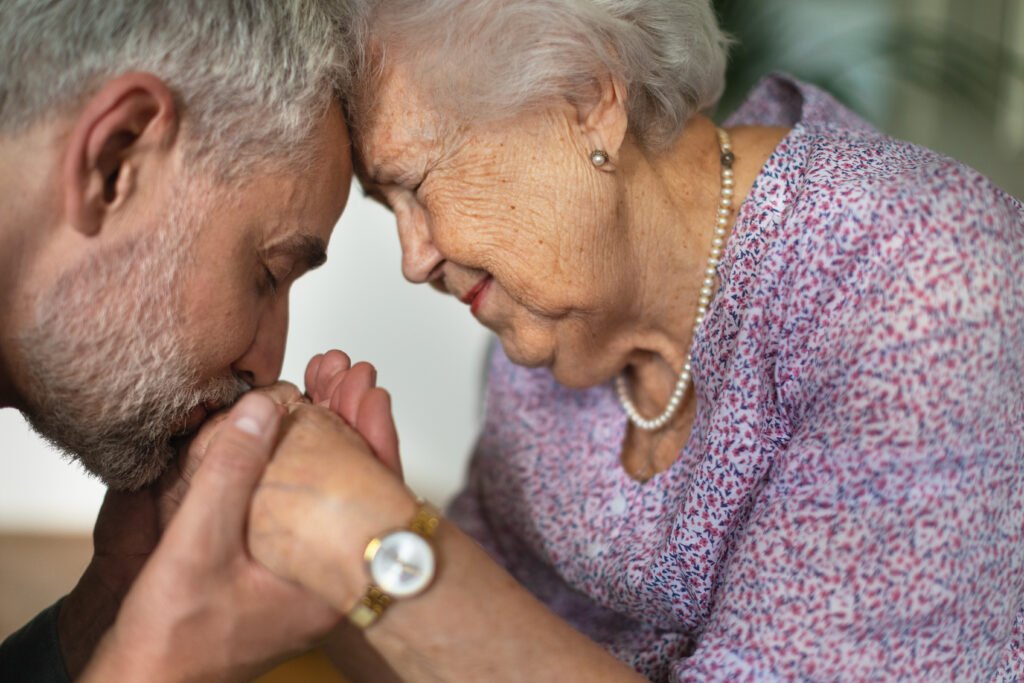
You may experience:
- Guilt for feeling overwhelmed or needing a break
- Resentment over the loss of personal time and independence
- Fear about what the future may bring
- Frustration when caregiving responsibilities continue to grow
- Sadness as you watch a loved one’s health decline
- Grief—even while your loved one is still here
- Loneliness, despite spending much of your time caring for someone else
These emotions are more common than many caregivers realize.
Caregiving often involves a gradual shift in roles. Adult children may find themselves caring for parents who once cared for them. Spouses may become caregivers rather than partners in the ways they once were. These changes can create a complex mix of love, responsibility, sadness, and uncertainty.
According to the American Psychological Association, caregivers frequently experience a combination of love, stress, grief, and responsibility at the same time. These emotions can exist together, even when they seem contradictory.
Many caregivers feel guilty for having difficult emotions, but acknowledging those feelings does not mean you love your family member any less. It means you are human.
Recognizing the emotional reality of caregiving is not a sign of weakness or failure. It is an important step toward understanding your own needs, seeking support, and maintaining your well-being throughout the caregiving journey.
Who Is Most at Risk for Caregiver Burnout
While any caregiver can experience burnout, certain circumstances can increase the risk of ongoing stress, emotional exhaustion, and caregiver fatigue.


Caregiver burnout is more likely when caregiving responsibilities become intensive, long-term, or emotionally demanding. The greater the demands placed on a caregiver, and the fewer opportunities they have for rest and support, the higher the risk of burnout.
Some of the most common risk factors include:
Caring for Someone with Alzheimer’s Disease or Dementia
Supporting a loved one with Alzheimer’s disease or another form of dementia can be especially challenging. Caregivers often provide ongoing supervision, assistance with daily activities, emotional support, and help managing behavioral or cognitive changes.
Because dementia is progressive and unpredictable, caregivers frequently face increasing responsibilities over time, making them one of the groups at highest risk for caregiver burnout.
Providing Care Without Consistent Support
Many family caregivers manage responsibilities largely on their own. Without regular help from family members, friends, or professional caregivers, the physical and emotional demands can become overwhelming.
Balancing Multiple Responsibilities
Caregivers are often juggling more than caregiving alone. Many are simultaneously managing careers, raising children, maintaining households, and supporting other family members.
Trying to meet the needs of everyone at once can create significant stress and leave little time for self-care.
Financial Strain
The costs associated with caregiving can add another layer of pressure. Reduced work hours, missed career opportunities, out-of-pocket care expenses, and household financial obligations can contribute to ongoing stress and anxiety.
Lack of Sleep and Recovery Time
Many caregivers experience interrupted sleep, irregular schedules, and limited opportunities to rest. Over time, chronic sleep deprivation can affect both physical health and emotional well-being, increasing the risk of burnout.
Strong Emotional Attachment
Caring for someone you love can make it difficult to establish healthy boundaries. Many caregivers feel responsible for doing everything themselves and may struggle to ask for help or accept support from others.
This emotional connection often adds to the stress of caregiving and can make burnout more likely.
According to research published through the National Library of Medicine, family members provide the majority of care for individuals living with dementia, often without formal caregiving training. This combination of responsibility, emotional investment, and limited support can place caregivers at particularly high risk for burnout.
Recognizing these risk factors does not mean caregiver burnout is inevitable. Instead, it highlights the importance of building a support system, seeking help when needed, and taking proactive steps to protect your own well-being.
If you are caring for a loved one with memory loss, you may also find helpful guidance in Memory Care Explained: A Complete Guide for Families Navigating Alzheimer’s and Dementia Care
Caregiver Stress vs Caregiver Burnout: What’s the Difference?
It is important to understand the difference between caregiver stress and caregiver burnout because the two terms are often used interchangeably, even though they are not the same.
Most caregivers experience stress at some point during their caregiving journey. Stress is a natural response to the challenges, responsibilities, and emotional demands of caring for a loved one. While difficult, stress is often temporary and may improve with rest, support, and opportunities to recharge.
Burnout is different.
Caregiver burnout develops when stress continues for an extended period without enough relief or support. Over time, the physical, emotional, and mental demands of caregiving can become overwhelming, leaving caregivers feeling exhausted, discouraged, and emotionally depleted.
In many cases, caregiver stress comes first. If the underlying causes of stress are not addressed, it can gradually progress into burnout.
Caregiver Stress vs Caregiver Burnout
| Caregiver Stress | Caregiver Burnout |
| Temporary and often related to specific situations | Long-term and persistent |
| You feel overwhelmed but can usually recover | You feel emotionally drained and depleted |
| You still feel hopeful and motivated | You may feel hopeless, detached, or numb |
| Improves with rest and short breaks | Often does not improve without additional support |
| Challenges feel difficult but manageable | Everyday responsibilities may feel overwhelming |
| You can still find enjoyment in some activities | Activities you once enjoyed may no longer bring pleasure |
Understanding this difference matters because burnout typically requires more than a short break or a good night’s sleep. It often signals the need for additional support, changes in caregiving responsibilities, respite care, professional guidance, or exploring other care options.
The earlier burnout is recognized, the easier it may be to address before it begins affecting your health, relationships, and ability to provide care.
If you are unsure where your experience falls, consider reviewing the early and advanced signs of caregiver burnout discussed above. Recognizing the progression from stress to burnout is often the first step toward getting the support you need.
How to Prevent Caregiver Burnout
You do not have to wait until you are overwhelmed to take action. There are practical ways to protect your well-being and reduce caregiver stress before it develops into caregiver burnout.
Preventing caregiver burnout is especially important for those providing long-term or intensive care for aging parents, spouses, or loved ones living with chronic health conditions. While caregiving can be demanding, small and consistent steps can help support your physical, emotional, and mental health throughout the journey.
1. Accept That You Cannot Do Everything
One of the most important steps in preventing caregiver burnout is recognizing your limits. You are one person—not an entire care team.
Many caregivers place unrealistic expectations on themselves and feel guilty when they cannot meet every need. Accepting that you cannot do everything alone can help reduce pressure, manage expectations, and prevent emotional exhaustion.
2. Build a Support System
Having support is one of the most effective ways to prevent caregiver burnout.
Your support system may include family members, friends, neighbors, healthcare professionals, support groups, or professional caregivers. Even small amounts of assistance can make a meaningful difference.
According to the Centers for Disease Control and Prevention, social support plays an important role in maintaining caregiver health and well-being.
3. Take Breaks Without Guilt
Many caregivers view rest as something they will get to later. In reality, regular breaks are an essential part of sustainable caregiving.
Even short periods away from caregiving responsibilities can help reduce stress, improve focus, and restore energy. Taking time for yourself is not selfish—it is necessary.
4. Stay Connected and Prioritize Your Health
Caregiving can be isolating, making it easy to lose touch with friends, family, and activities you enjoy. Staying socially connected can help reduce feelings of loneliness and emotional exhaustion.
It is equally important to care for your own health. Regular medical appointments, healthy meals, physical activity, and adequate sleep help ensure you have the strength and energy needed to continue caregiving.
5. Ask for Help Before You Reach a Crisis Point
One of the biggest mistakes caregivers make is waiting until they are completely overwhelmed before seeking support.
As care needs increase, consider exploring resources such as family assistance, respite care, home health care, assisted living, memory care, or other long-term care services. Seeking help early can reduce stress, prevent burnout, and make caregiving more manageable for everyone involved.
Preventing caregiver burnout is not about being a perfect caregiver. It is about creating a sustainable caregiving plan that supports both your loved one’s needs and your own well-being.
Practical Ways to Manage Caregiver Burnout
If you are already experiencing signs of caregiver burnout, it is important to know that support is available and recovery is possible. While burnout does not disappear overnight, taking small, intentional steps can help reduce stress, restore energy, and improve your overall well-being.
One of the most important things you can do is ask for help. Many caregivers try to manage everything on their own, but sharing responsibilities with family members, friends, or professional caregivers can significantly reduce the daily pressure you are carrying.
You may also want to explore respite care, which provides temporary relief for family caregivers while ensuring a loved one continues to receive care. Even a few hours of assistance each week can provide valuable time to rest, attend appointments, or focus on your own needs.
If your loved one’s care needs have increased, it may be worth exploring additional support services. Home health care, assisted living, memory care, hospice care, or other long-term care options can help reduce caregiving demands while ensuring appropriate care is in place.
Setting realistic expectations is equally important. Caregiving does not have to be perfect. Focusing on safety, comfort, and quality of life can help relieve some of the pressure caregivers often place on themselves.
Creating small moments for yourself throughout the day can also support recovery from burnout. A short walk, a quiet cup of coffee, reading a book, listening to music, or spending time with a friend may seem like small acts, but they can help restore emotional and physical energy over time. If daily caregiving responsibilities continue to feel overwhelming, developing practical systems and routines may help reduce stress and create a greater sense of control. For additional guidance, explore our article, Caregiver Stress Management: Simple Systems That Reduce Daily Overwhelm.
Managing caregiver burnout is not about doing less for the person you love. It is about ensuring that you receive the support needed to continue providing care in a healthier and more sustainable way.
Support Resources for Family Caregivers
If you are caring for a loved one, it is important to know that support is available. Family caregivers do not have to navigate challenges such as stress, burnout, care planning, and difficult decisions alone.
Several trusted national organizations offer caregiver education, support services, practical tools, and community resources that can help make the caregiving journey more manageable.
Family Caregiver Alliance (FCA)
The Family Caregiver Alliance provides educational materials, caregiver tools, support groups, and resources designed specifically for family caregivers. Their programs focus on reducing caregiver stress, preventing burnout, and helping caregivers access support services.
AARP Caregiving Resources
AARP offers a wide range of caregiving guides, planning tools, checklists, and practical advice for families caring for aging loved ones. Caregivers can also find information about financial planning, legal considerations, and local support resources.
National Institute on Aging (NIA)
The National Institute on Aging offers provides research-based information on aging, caregiving, dementia, Alzheimer’s disease, long-term care planning, and healthy aging. It is one of the most trusted sources of educational information for caregivers and families.
Administration for Community Living (ACL)
The Administration for Community Living connects caregivers with community-based programs and services that support older adults, people with disabilities, and family caregivers. Through local aging networks, caregivers may be able to access respite care, caregiver support programs, and other helpful resources.
Alzheimer’s Association
The Alzheimer’s Association offers specialized support for caregivers of individuals living with Alzheimer’s disease and other forms of dementia. Resources include educational programs, local support groups, care planning assistance, and a 24/7 helpline for caregivers seeking guidance and support.
Finding support does not mean you are unable to handle caregiving. In fact, seeking help is often one of the most effective ways to protect your health and improve the quality of care you provide.
Even connecting with one trusted resource can help you feel more informed, supported, and better equipped to navigate the challenges of caregiving.
When It May Be Time to Explore Additional Care
Sometimes, caregiver burnout is a sign that more support may be needed. Recognizing when to consider additional care is not about giving up or failing as a caregiver—it is about making sure both you and your loved one receive the support needed to maintain health, safety, and quality of life.

As care needs increase, many family caregivers find it difficult to manage everything on their own. What was once manageable may gradually become overwhelming, especially when caregiving responsibilities begin affecting your physical health, emotional well-being, relationships, or ability to meet your own daily needs.
It may be time to explore additional support if:
- You feel consistently exhausted, stressed, or overwhelmed
- Your loved one’s care needs continue to increase
- Safety has become a concern at home
- Daily tasks are becoming difficult to manage
- Your own health and well-being are being affected
- You are struggling to balance caregiving with work, family, or other responsibilities
Depending on your situation, additional support may include:
- Home Health Care for medical services and assistance provided at home
- Assisted Living for older adults who need help with daily activities while maintaining as much independence as possible
- Memory Care for individuals living with Alzheimer’s disease or other forms of dementia who require specialized support and supervision
Exploring care options early can help families make thoughtful decisions before a crisis occurs and may reduce some of the stress and uncertainty that often accompany caregiving. If you are not sure where to begin, longtermcarefinder.com can help you explore care options, compare services, and connect directly with providers. Families can review detailed provider profiles, learn about different levels of care, and reach out to providers directly—without referral agents, commissions, or unnecessary pressure.
You may also find these resources helpful as you evaluate your next steps:
- When Is It Time for Assisted Living? 12 Signs an Older Adult May Need More Support
- Caregiver Stress Management: Simple Systems That Reduce Daily Overwhelm
- Long-Term Care Explained: A Complete Guide for Families Navigating Senior Care
- Memory Care Explained: A Complete Guide for Families Navigating Alzheimer’s and Dementia Care
Taking the time to explore available options does not mean a decision must be made immediately. It simply gives you the information needed to plan ahead and make more confident decisions when the time is right.
Final Thoughts: You Are Not Meant to Do This Alone
Caregiving is an act of love, compassion, and commitment. But it can also be one of the most physically and emotionally demanding responsibilities a person will ever take on.
Over time, the stress of caregiving can build in ways that are difficult to recognize until exhaustion, frustration, or overwhelm begin affecting your daily life.
If that sounds familiar, pause for a moment. Not to give up. Not to feel guilty. But to remember something important: You matter too.
Caring for yourself is not separate from caring for your loved one. Your health, well-being, and ability to rest are essential parts of providing safe, compassionate, and sustainable care.
Recognizing the signs of burnout, asking for help, and exploring available support are not signs of weakness. They are signs of strength, self-awareness, and commitment to both your loved one and yourself.
When caregivers are supported, everyone benefits. You are better able to make decisions, manage challenges, maintain your health, and continue providing care with greater patience, clarity, and confidence.
If you are ready to learn more about available support, resources, and care options, longtermcarefinder.com can help. Explore different levels of care, compare providers, access educational resources, and connect directly with services that fit your family’s needs.
Most importantly, remember this: Support is not a sign that you cannot do this. It is a sign that you do not have to do it alone.
Frequently Asked Questions About Caregiver Burnout
Before diving into these frequently asked questions, remember that caregiver burnout affects everyone differently. The signs, causes, and recovery process can vary depending on your caregiving responsibilities, available support, and your loved one’s needs. The answers below address some of the most common questions family caregivers have about caregiver stress, burnout, and finding support.
What are the first signs of caregiver burnout?
The first signs of caregiver burnout often include ongoing fatigue, irritability, sleep problems, and feeling emotionally overwhelmed. Many caregivers also experience difficulty concentrating, increased frustration, anxiety, or a loss of interest in activities they once enjoyed. Recognizing these early warning signs can help prevent more serious emotional and physical exhaustion.
How do I know if I have caregiver burnout or just stress?
Caregiver stress is usually temporary and may improve with rest, support, or time away from caregiving responsibilities. Caregiver burnout is more persistent and often leaves caregivers feeling emotionally drained, physically exhausted, and disconnected. If your symptoms continue despite attempts to rest and recover, burnout may be the cause.
How common is caregiver burnout?
Caregiver burnout is very common, especially among family caregivers providing long-term or intensive care. Millions of Americans care for aging parents, spouses, or loved ones each year, and many report experiencing high levels of stress, fatigue, and emotional strain during their caregiving journey.
What causes caregiver burnout?
Caregiver burnout is typically caused by prolonged stress, increasing care demands, limited support, and emotional exhaustion. The risk is often higher for caregivers supporting individuals with dementia, Alzheimer’s disease, chronic illnesses, or significant mobility challenges.
Can caregiver burnout lead to depression or anxiety?
Yes. Ongoing caregiver stress and burnout can increase the risk of depression, anxiety, emotional distress, and other mental health concerns. Seeking support early can help reduce these risks and improve overall well-being.
How can caregivers recover from burnout?
Recovering from caregiver burnout often involves taking regular breaks, sharing responsibilities, asking for help, prioritizing personal health, and building a support system. Some caregivers also benefit from respite care, counseling, support groups, or additional long-term care services for their loved one.
What should I do if caregiving becomes too overwhelming?
If caregiving becomes overwhelming, it may be time to seek additional support. Help may come from family members, friends, professional caregivers, respite services, home health care, assisted living, memory care, or other long-term care options. Exploring support early can help prevent a crisis situation.
Is it normal to feel guilty as a caregiver?
Yes. Feelings of guilt are very common among family caregivers. Many people feel guilty when taking time for themselves, asking for help, or considering additional care options. Remember that caring for yourself is not selfish—it is an important part of being able to care for someone else.
How can I reduce caregiver stress on a daily basis?
You can reduce caregiver stress by taking short breaks, maintaining healthy routines, staying connected with supportive people, asking for help, and setting realistic expectations. Small daily habits can make a meaningful difference in preventing stress from building over time.
When should a caregiver ask for help?
A caregiver should ask for help as soon as caregiving responsibilities begin affecting their health, relationships, work, or overall well-being. Seeking support early can reduce stress, prevent burnout, and make caregiving more sustainable over the long term.
How long does caregiver burnout last?
Caregiver burnout can last for weeks or months, depending on the level of stress, the caregiver’s health, and the support available. Recovery often begins when caregivers receive help, take time to rest, and make changes that reduce ongoing caregiving demands.