
Long-Term Care Housing
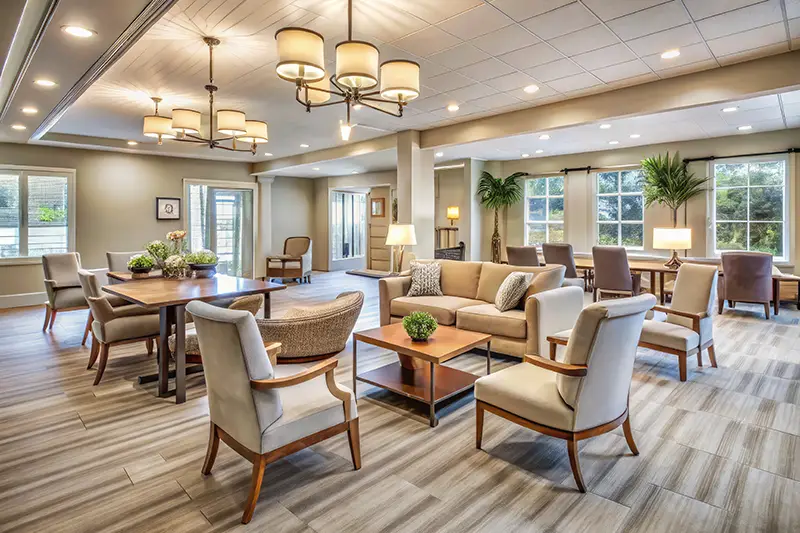
While many people hope to remain in the comfort of their own homes, this isn’t always possible as care needs increase over time. Factors such as medical requirements, safety, available resources, and family support all play an important role in determining the most suitable long-term care solution for each individual.
Long-term care is offered in a variety of settings — from small residential care homes to larger assisted living communities, skilled nursing facilities, and hospice care environments that provide round-the-clock medical support. Each setting is designed to meet different levels of care, lifestyle preferences, and budgets.
Many people begin their journey with home-based care, receiving support from family members. Over time, as health needs change, a transition to a long-term care community may offer greater safety, social connection, and medical oversight. These facilities vary widely in the level of personal assistance, healthcare services, and amenities they provide — as well as in cost.
Understanding the available options and costs helps families plan ahead and make confident, informed choices. Whether you’re considering residential care, assisted living, memory care, or skilled nursing, thoughtful planning ensures your loved one receives the right care in the right setting — and peace of mind for everyone involved.
Types of Long-Term Care Housing
Finding the right care setting begins with understanding the different types of long-term care available. Each option provides a unique balance of independence, support, and medical oversight to fit varying needs and lifestyles.
Independent Living / Retirement Communities — Designed for active seniors who want a maintenance-free lifestyle with the freedom to enjoy social activities, amenities, and community living — without the responsibilities of home ownership.
Continuing Care Retirement Communities (CCRCs) — Offer a full spectrum of care — from independent living and assisted living to skilled nursing — all within one campus. This allows residents to transition seamlessly as their health or support needs change.
Adult Day Services — Provide daytime supervision, engaging social activities, meals, and basic health services for older adults who live at home but need extra support or companionship during the day.
Assisted Living Communities — Ideal for individuals who value independence but need help with daily activities such as bathing, dressing, or medication management. These communities offer private or semi-private apartments, meals, and 24-hour staff support.
Residential Care Homes — Smaller, home-like settings that provide personal care in a warm, family-style environment. With fewer residents, they often offer more individualized attention and a close-knit sense of community.
Memory Care Communities — Specialized environments for individuals with Alzheimer’s disease or other forms of dementia. These secure settings provide structured routines, trained caregivers, and therapeutic programs designed to enhance comfort and safety.
Nursing Homes — Provide around-the-clock medical care and supervision for individuals with serious health conditions or limited mobility. Services often include skilled nursing, rehabilitation, and daily personal assistance.
Skilled Nursing Facilities (SNFs) — Offer advanced medical services, including post-hospital rehabilitation, chronic disease management, and long-term recovery care — all under the supervision of licensed healthcare professionals.
Hospice Care — Focuses on comfort, dignity, and quality of life for individuals with terminal or life-limiting illnesses. Hospice care supports both the individual and their family, providing physical, emotional, and spiritual care wherever the person calls home.
Learn More About Long-Term Care Options
Every care journey is unique. Discover which type of care best fits your loved one’s needs.

Assisted Living

Residential Care Homes

Independent Living

Memory Care

Nursing Home

Hospice Care

Home Health Care
